
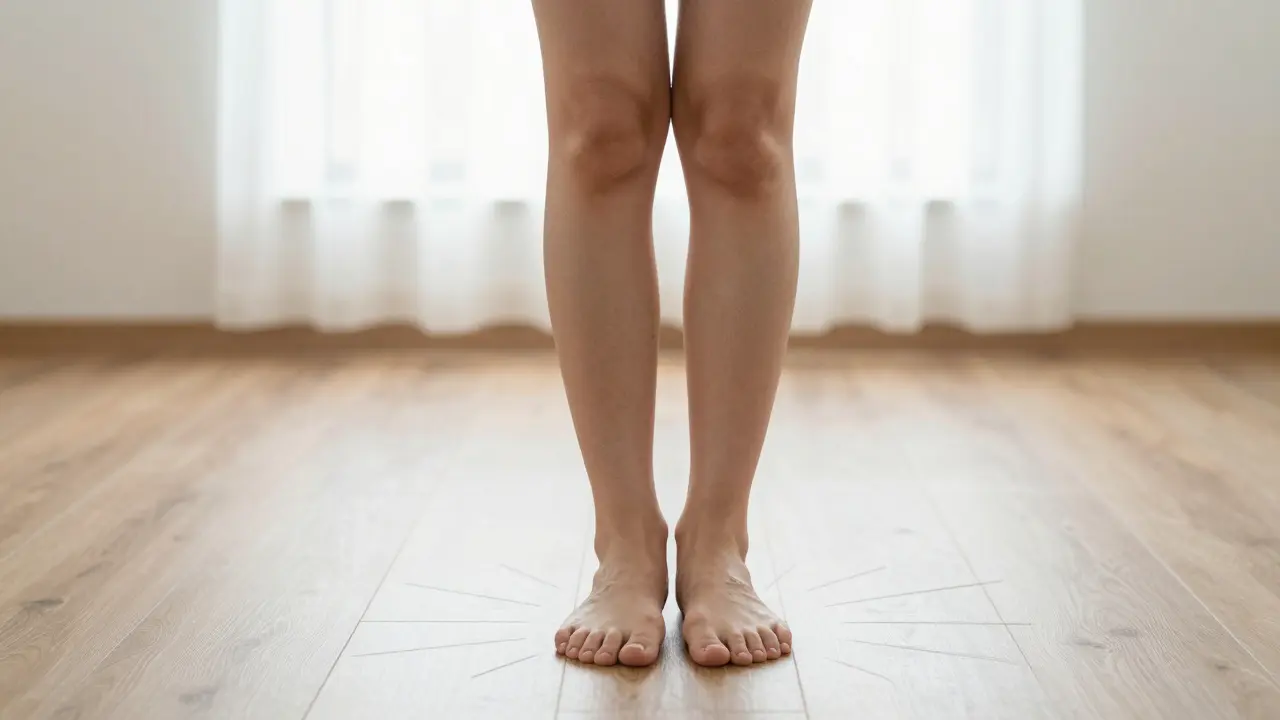
Most people spend their days hunched over screens, slumped in chairs, or standing with weight shifted to one hip. Over time, this pulls your body out of alignment-not just in how you look, but how you move, breathe, and even feel. You might blame it on stress or aging, but the real culprit is often your connective tissue, called fascia. That’s where Rolfing comes in.
What Exactly Is Rolfing?
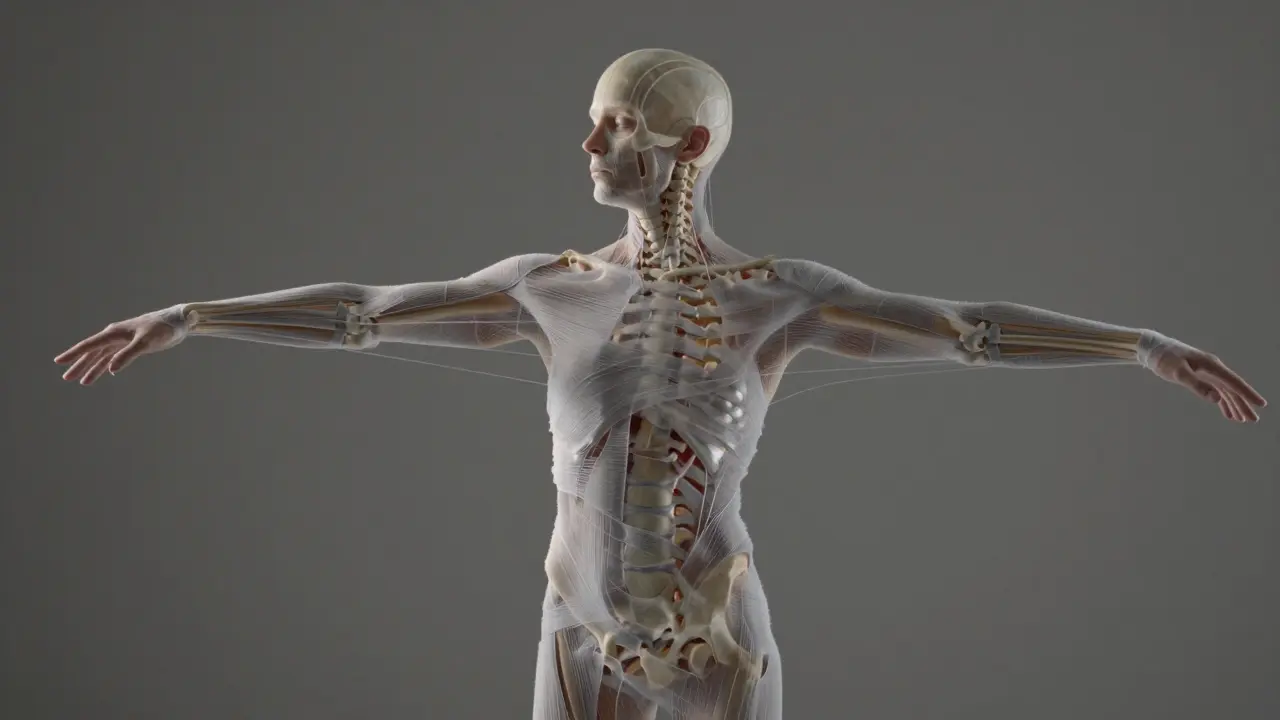
Rolfing, also known as Structural Integration, is a hands-on bodywork method developed by Dr. Ida Rolf in the 1950s. Unlike massage, which focuses on relaxing muscles, Rolfing targets the fascia-the web-like connective tissue that wraps around every muscle, bone, nerve, and organ in your body. When fascia gets tight from injury, poor posture, or repetitive motion, it pulls your skeleton out of balance. Rolfing aims to realign your body so it works with gravity instead of against it.
Think of your body like a building. If the foundation shifts or the beams warp, everything else leans or creaks. Rolfing doesn’t just fix the leaning wall-it restructures the whole frame. A typical Rolfing series includes 10 sessions, each focusing on a different part of the body, from the feet up to the head. The goal? To create lasting changes in posture, movement, and comfort.
How Does Rolfing Feel?
If you’ve had deep tissue massage, you might expect Rolfing to feel similar. But it’s different. The pressure can be intense-not painful, but deeply felt. Practitioners use their knuckles, elbows, and forearms to apply slow, sustained pressure to release stuck fascia. You might feel a burning, stretching, or even tingling sensation. Some people describe it as "good hurt"-like the kind you feel after a great workout.
Unlike massage, where you lie still, Rolfing often involves movement. Your practitioner might ask you to breathe deeply, wiggle your toes, or shift your weight while they work. This helps the tissue reorganize in real time. It’s not passive. You’re part of the process.
After a session, you might feel sore for a day or two-like you’ve been through a tough physical therapy session. But many report feeling taller, lighter, and more grounded within 24 hours. One client in Nottingham, a 48-year-old office worker, told me she stopped needing painkillers for her lower back after six sessions. "I didn’t realize how much I was leaning to the left until I stood straight and didn’t feel like I was falling over."
What Conditions Can Rolfing Help With?
Rolfing isn’t a cure-all, but it’s been shown to help with several common issues:
- Chronic back and neck pain - Especially when caused by poor posture or long-term muscle tension.
- Repetitive strain injuries - Like carpal tunnel or tennis elbow, where fascial restrictions pull on tendons.
- Post-surgical scar tissue - Rolfing can help soften and mobilize hardened tissue after operations.
- Flat feet or overpronation - By releasing tension in the feet and calves, alignment improves from the ground up.
- Reduced mobility or stiffness - Especially in older adults who feel "locked up" as they age.
A 2020 study published in the Journal of Bodywork and Movement Therapies followed 42 participants with chronic lower back pain. After completing a 10-session Rolfing series, 78% reported significant pain reduction, and 65% said their movement improved enough to return to activities they’d given up-like gardening or walking their dog.
Is Rolfing Right for You?
Not everyone needs Rolfing. It’s not for acute injuries, fractures, or active inflammation. If you have osteoporosis, recent surgery, or a blood clotting disorder, talk to your doctor first. Pregnant women can benefit, but only with practitioners trained in prenatal Rolfing.
It’s also not a quick fix. The full 10-session series is designed to build on itself. You can do one session for relief, but real transformation takes time. Think of it like orthodontics for your body-it doesn’t just move teeth, it reshapes the jaw.
People who do best with Rolfing are those who are curious about their bodies, willing to pay attention to how they move, and open to making small changes in daily habits. If you’re the kind of person who notices when your shoulders creep up to your ears or who always leans on one leg while standing, you’re already halfway there.
What Happens After the 10 Sessions?
The magic of Rolfing isn’t just in the sessions-it’s in what you do after. Your body remembers its new alignment. But if you go back to slouching at your desk or wearing high heels all day, the old patterns will creep back.
Most certified Rolfers give clients simple movement cues: stand with weight evenly on both feet, sit with your pelvis tilted slightly forward, take breaks to walk around every hour. These aren’t exercises-they’re reminders to stay aligned.
Some people come back for "tune-up" sessions every few months. Others feel so good they never go back. One woman I spoke to in Leicester, a 62-year-old yoga teacher, said she’s been doing Rolfing every 8 months for 12 years. "I used to think flexibility was about stretching. Now I know it’s about freedom in the tissue."
How to Find a Qualified Rolfing Practitioner
Not everyone who calls themselves a "bodyworker" is trained in Rolfing. Look for practitioners certified by the Rolf Institute of Structural Integration in Boulder, Colorado. They’re the original training center, and their certification requires over 500 hours of study, anatomy review, and supervised practice.
In the UK, you can find certified Rolfers through the British Rolfing Association. They list practitioners by region, with details on their training and specialties. Avoid anyone who offers "Rolfing Lite" or promises results in three sessions-this isn’t a spa treatment.
Costs vary. In Nottingham, a single session typically runs between £80 and £120. The full 10-session series often costs £700-£1,000, but many practitioners offer payment plans. Some private health insurers cover Rolfing if it’s prescribed for chronic pain.
How Rolfing Compares to Other Therapies
It’s easy to get confused between Rolfing, massage, chiropractic, and physical therapy. Here’s how they differ:
| Approach | Primary Target | Duration of Results | Client Involvement |
|---|---|---|---|
| Rolfing | Fascia and structural alignment | Long-term (months to years) | High-movement and awareness required |
| Massage Therapy | Muscle tension and relaxation | Short-term (hours to days) | Low-mostly passive |
| Chiropractic | Joint alignment and spinal adjustment | Moderate (weeks) | Low-passive adjustments |
| Physical Therapy | Rehabilitation and strength training | Medium to long-term | High-exercises and home routines |
Rolfing doesn’t replace physical therapy or chiropractic care-it complements them. Many physical therapists now refer patients to Rolfers for fascial work that’s hard to reach with stretches or machines.
Why Rolfing Is More Than Just a Treatment
What sets Rolfing apart isn’t just the technique-it’s the philosophy. Dr. Ida Rolf believed the body has an innate ability to heal when it’s properly aligned. She didn’t see pain as something to suppress. She saw it as feedback.
Rolfing teaches you to listen to your body. You start noticing when you’re holding your breath, when your shoulders are tight, when your hips are uneven. That awareness doesn’t go away after the sessions. It becomes part of how you move through the world.
One man I spoke to, a 55-year-old carpenter from Derby, said his hands stopped going numb after Rolfing. "I didn’t think it was my posture. I thought I just had bad circulation. Turns out, my neck was pulling on the nerve all the way down to my fingers. The Rolfing practitioner showed me how to sit differently at the bench. Now I work all day without pain."
That’s the real value of Rolfing. It doesn’t just fix what’s broken. It helps you understand how you broke it-and how to keep from breaking it again.
Is Rolfing painful?
Rolfing can feel intense, but it shouldn’t be sharp or unbearable. Practitioners work within your comfort zone and adjust pressure based on your feedback. Many people describe it as a deep, satisfying release-not pain. If it hurts too much, speak up. Good Rolfers prioritize your nervous system’s response over force.
How long do Rolfing results last?
Results can last for years if you maintain awareness of your posture and movement. The body naturally drifts back to old patterns without attention. Most people feel the biggest changes within 3-6 months after finishing the 10-session series. Follow-up sessions every 6-12 months help keep alignment stable.
Can Rolfing help with stress and anxiety?
Yes. When your body is misaligned, your nervous system stays on high alert. Rolfing releases physical tension, which often lowers stress hormones. Many clients report feeling calmer, sleeping better, and breathing deeper after sessions-even without talking about emotions. The body and mind are connected; when one shifts, the other follows.
Do I need to do all 10 sessions?
You don’t have to, but you’ll get the most benefit from the full series. Each session builds on the last, like layers of a map being redrawn. One or two sessions can relieve immediate discomfort, but the 10-session structure is designed to create lasting structural change. Think of it as a complete renovation, not a quick paint job.
Is Rolfing covered by insurance in the UK?
Some private health insurers in the UK cover Rolfing if it’s prescribed for chronic pain or musculoskeletal conditions. You’ll need a referral from your GP or a specialist. Check with your provider-policies vary. NHS coverage is not available, but many clinics offer sliding scale fees or payment plans.
Can children or teenagers benefit from Rolfing?
Yes. Teenagers with scoliosis, athletes with repetitive strain, or kids with posture issues from heavy backpacks can benefit. Practitioners use gentler techniques for younger clients. Many parents report improved sports performance, better sleep, and less back pain after their teens start Rolfing.
Next Steps: What to Try Today
You don’t need to book a session right away to start feeling better. Try this simple practice: Stand barefoot on the floor. Close your eyes. Notice where your weight sits. Are you leaning more on one foot? Is one hip higher? Are your shoulders rolled forward? Now, gently shift your weight so it’s even on both feet. Let your head float up like a balloon tied to your spine. Breathe. Hold that for 30 seconds.
That’s the essence of Rolfing-not magic hands, but awareness. Do that three times a day for a week. You might be surprised how much better you feel.