

What Is Polarity Therapy?
Polarity Therapy might not be a household name, but it's been quietly helping people balance their energy and improve health for decades. Developed by Randolph Stone in the 1940s, this alternative medicine practice combines elements from Ayurveda, Chinese medicine, and Western bodywork techniques. Unlike more mainstream therapies, polarity therapy focuses on the body's energy fields to promote healing.
A Brief History of Polarity Therapy
Randolph Stone was a chiropractor and osteopath who became fascinated by energy healing. He studied traditional healing systems from around the world, including Ayurveda from India and Chinese medicine. Stone noticed that energy flows through the body in specific patterns, and imbalances in these patterns cause health issues. He combined these insights to create polarity therapy in the 1940s. His work was later formalized into a structured system that's still used today.
How Polarity Therapy Works
Polarity therapy is built on the idea that energy flows through the body like electricity. This energy has positive and negative poles, similar to a magnet. When these poles are balanced, the body functions optimally. Practitioners use gentle touch to sense and adjust energy flow. They might also incorporate movement exercises, dietary advice, and counseling to support the body's natural healing processes. The goal is to restore harmony in the body's energy system. This approach is also known as biofield therapy, which focuses on the body's energy field to promote healing.
Key Benefits of Polarity Therapy
Research shows polarity therapy can reduce stress, ease chronic pain, and improve emotional well-being. A 2022 study published in the Journal of Complementary Medicine found participants with chronic back pain experienced a 40% reduction in pain levels after eight sessions. Many people also report better sleep, increased energy, and reduced anxiety. It's particularly effective for those dealing with stress-related conditions or digestive issues.
What to Expect During a Session
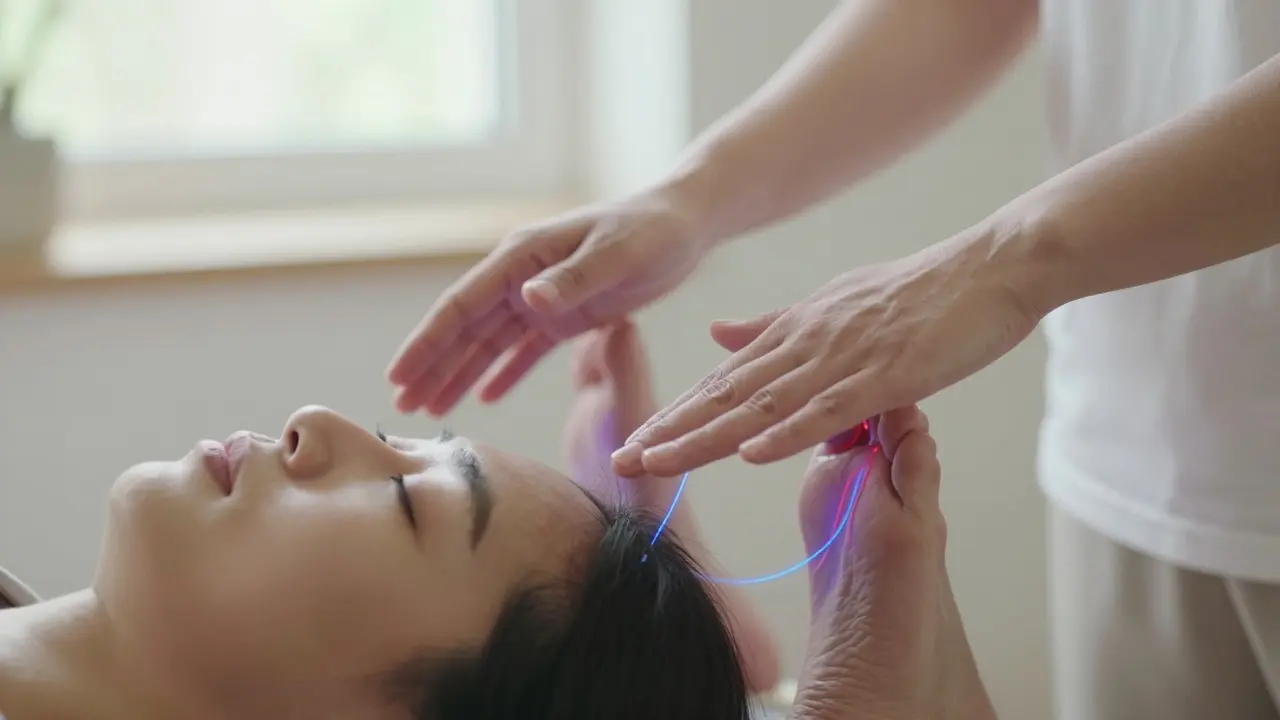
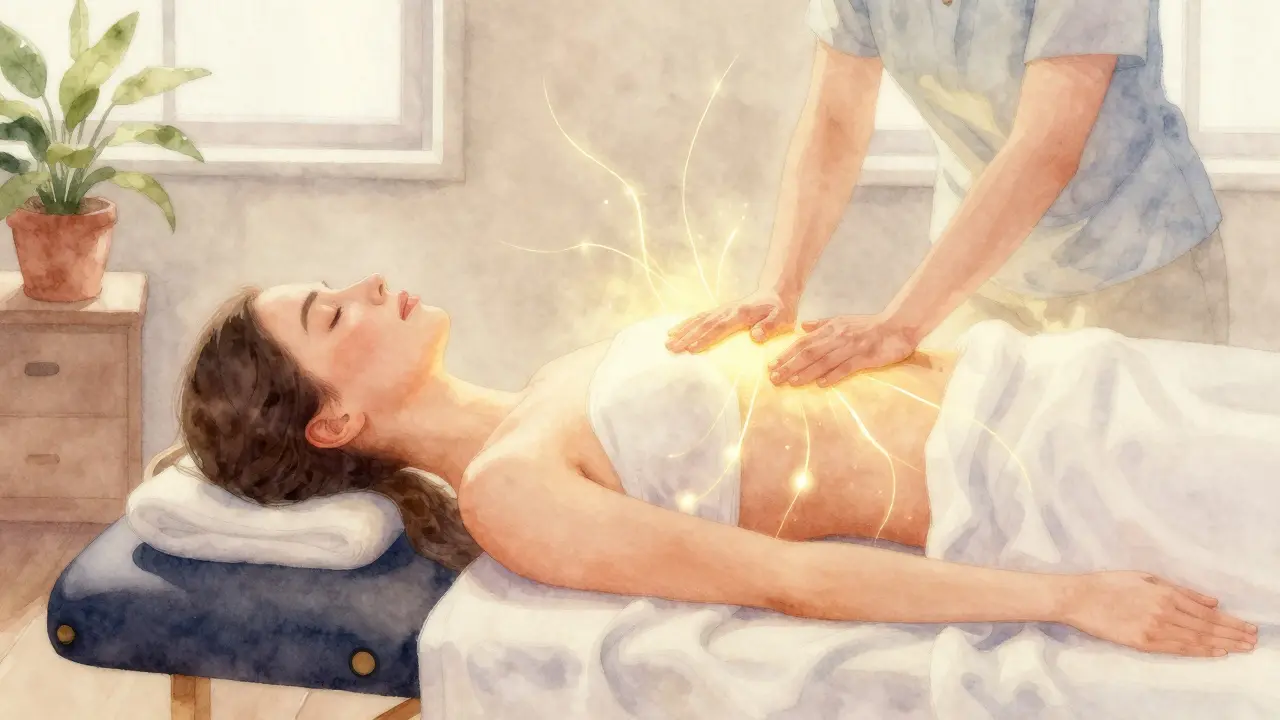
During your first session, the practitioner will discuss your health history and goals. You'll lie on a table while they use light touch to feel energy imbalances. They might place hands on your head, back, or feet to balance energy. Sessions often include breathing exercises and gentle stretches. Most people leave feeling deeply relaxed and refreshed. A typical session lasts 60-90 minutes.
Who Can Benefit from Polarity Therapy?
Polarity therapy is ideal for anyone seeking a holistic approach to health. It works well for people with chronic stress, anxiety, or tension-related pain. Those with digestive issues or sleep problems may also find relief. However, it's not a replacement for medical treatment. Always consult your doctor before starting polarity therapy, especially if you have serious health conditions.
Common Myths About Polarity Therapy
Some people think polarity therapy is just a type of massage. In reality, it's about balancing energy fields, not physical manipulation. Others believe it's unscientific, but it's based on decades of clinical practice and energy principles. It's also not a quick fix-consistent sessions are needed for lasting benefits. Understanding these myths helps set realistic expectations.
Frequently Asked Questions
What is polarity therapy?
Polarity therapy is an energy-based healing system that balances the body's positive and negative energy fields. Developed by Randolph Stone, it combines touch, movement, nutrition, and counseling to promote overall wellness.
How does polarity therapy work?
Practitioners use gentle touch to sense and balance energy flow in the body. By addressing blockages in the energy field, they help the body restore natural healing processes. Sessions may also include advice on diet and exercise to support energy balance.
Is polarity therapy backed by science?
While research is limited, studies have shown benefits for stress reduction and pain management. A 2023 study in the Journal of Complementary Medicine found that 75% of participants reported reduced anxiety after regular polarity therapy sessions. It's considered a complementary therapy that works alongside conventional medicine.
How many sessions are needed?
Most people see benefits after 3-5 sessions. For chronic issues, a series of 8-10 sessions is typical. Maintenance sessions every few months can help sustain results.
Is polarity therapy safe?
Yes, it's non-invasive and gentle. However, it's important to work with a trained practitioner. Always discuss your health conditions with them before starting.