
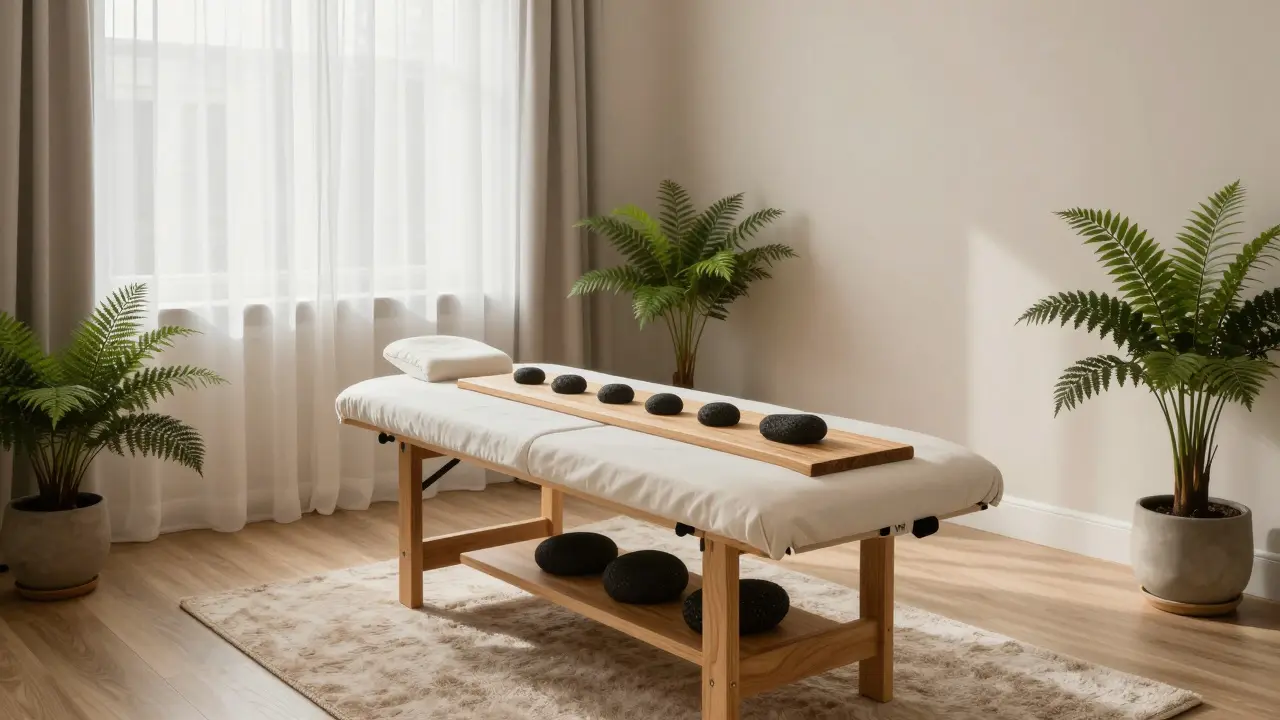
You have probably heard about hot stone therapy or deep tissue work. But there is a specific technique that feels like nothing else you have tried before. It involves a wooden board, heated stones, and your own body weight working together to release tension in your core. This is Maya Abdominal Massage, a traditional healing practice from the Yucatán Peninsula that uses pressure and heat to stimulate digestion, lymphatic flow, and emotional release. Unlike standard Swedish massage where the therapist does all the work, this method asks you to participate actively. You lean into the tools, trusting the process to move stagnation out of your system.
If you are dealing with chronic bloating, low energy, or just feel "stuck" in your lower back, this ancient technique might be exactly what your body needs. It is not just a spa treatment; it is a functional therapy rooted in centuries-old wisdom. Let’s look at how it works, what you can expect during a session, and why more people in Perth and beyond are adding it to their wellness routine.
The Origins and Philosophy Behind the Practice
To understand why this massage works, you need to look at its roots. The practice comes from the Maya Civilization of Mexico and Central America. For hundreds of years, healers known as Mayas used this technique to treat ailments ranging from digestive issues to emotional trauma. The belief system here is simple but powerful: the abdomen is the center of life force energy. When this area becomes congested-due to poor diet, stress, or lack of movement-the whole body suffers.
The philosophy isn't just about fixing a sore muscle. It connects physical health with emotional well-being. In Maya culture, the belly holds memories and emotions. By physically releasing tightness in the abdominal organs, you also create space for emotional clarity. Think of it as clearing out clutter from a room so you can actually move around freely. The goal is to restore the natural rhythm of your internal organs, helping them function better on their own.
How the Session Actually Works
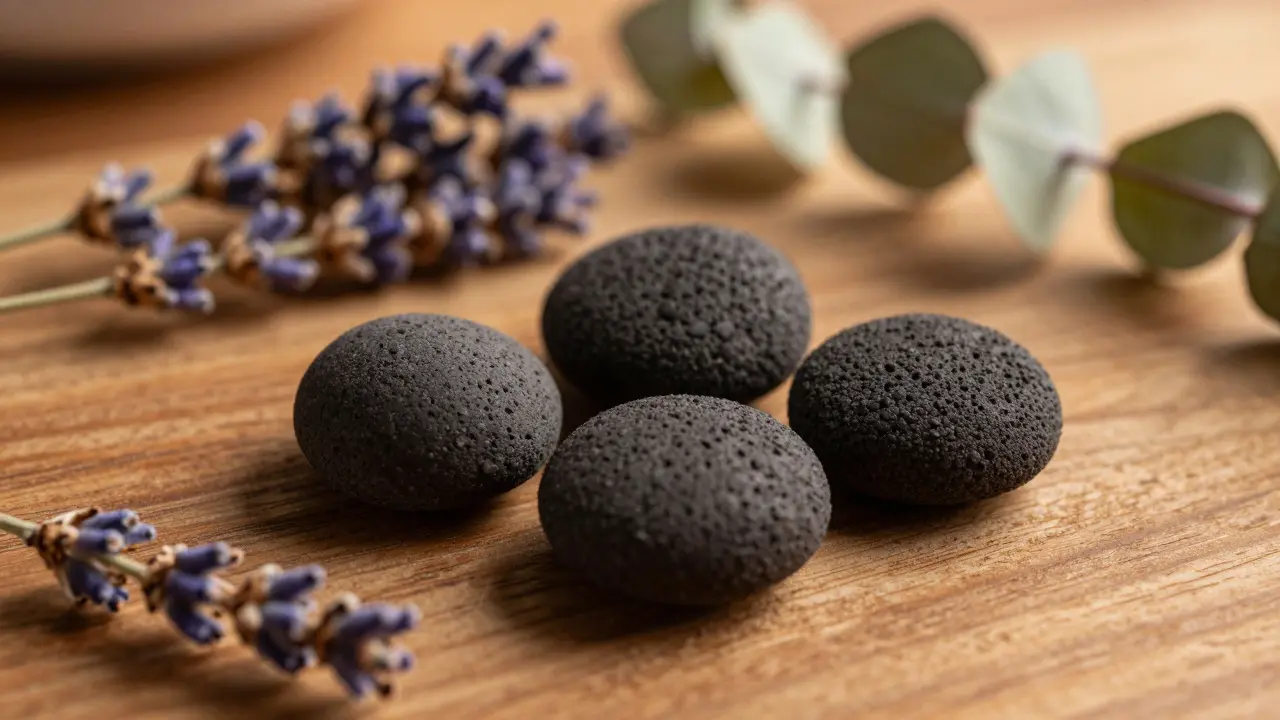
A typical session lasts between 60 to 90 minutes. You will lie face down on a specialized piece of equipment called a Mayan Back Table. This table has a cutout for your face so you can breathe comfortably while lying prone. A padded wooden board, often made from local timber, rests across your lower back and abdomen. Heated volcanic stones are placed along the curve of the board.
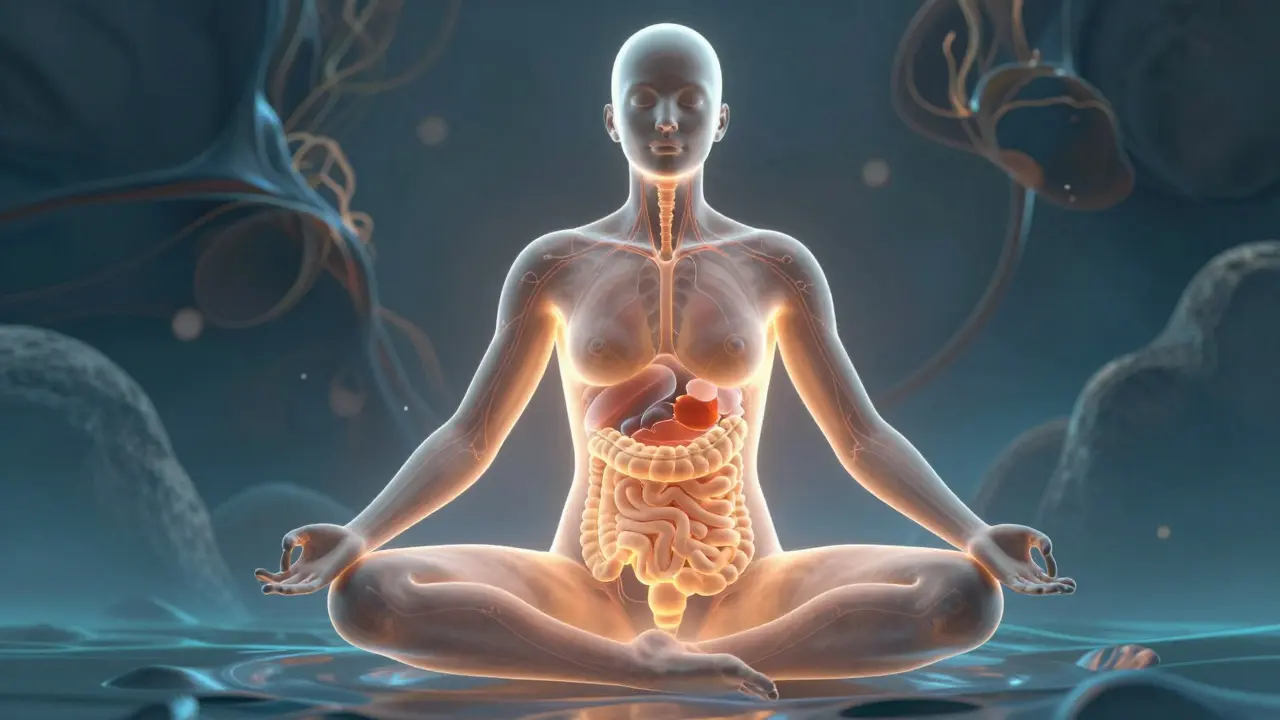
Here is where the unique part begins. Instead of the therapist pushing on you, you push against the board. The therapist guides you through a series of positions. You might arch your back, press your hips forward, or twist slightly. Each position targets different areas of the abdomen. The warmth from the stones relaxes the muscles, while the pressure from your body weight compresses the intestines and other organs. This compression encourages peristalsis-the wave-like muscle contractions that move food through your digestive tract.
The therapist will also use their hands to massage your back and legs, ensuring your nervous system stays calm. The combination of heat, pressure, and gentle stretching creates a profound sense of release. Many clients describe feeling a "whoosh" sensation when trapped gas or fluid finally moves. It sounds strange if you have never experienced it, but it is incredibly relieving.
Key Health Benefits Beyond Relaxation
While relaxation is a huge bonus, the real draw for many people is the physiological impact. Here is what happens inside your body during a session:
- Improved Digestion: The mechanical stimulation helps relieve constipation, bloating, and indigestion. If you suffer from IBS (Irritable Bowel Syndrome), this therapy can provide significant symptom relief by normalizing bowel movements.
- Lymphatic Drainage: The pressure encourages the flow of lymph fluid, which carries waste products and toxins away from tissues. This boosts your immune system and reduces puffiness.
- Pain Relief: Many people find relief from lower back pain and sciatica. The alignment provided by the table and the release of abdominal tension take pressure off the spine.
- Hormonal Balance: For women, the massage can help regulate menstrual cycles and reduce cramping. It stimulates blood flow to reproductive organs, supporting overall hormonal health.
- Emotional Release: As mentioned earlier, the abdomen stores stress. Releasing physical tension here often leads to a mental lift, reducing anxiety and improving sleep quality.
I have seen clients who came in for back pain leave with completely resolved digestive issues. It highlights how connected our systems really are. You cannot treat one part of the body in isolation and expect lasting results.
What to Expect During Your First Visit
If you are new to this, it is normal to feel a bit awkward. You are essentially doing yoga poses while being massaged. Here is a step-by-step breakdown of what happens:
- Consultation: Before getting on the table, the therapist will ask about your health history. They need to know if you have any conditions that make this therapy unsafe, such as recent surgery or pregnancy.
- Preparation: You will undress to your comfort level, usually wearing underwear. You lie face down on the table. The therapist places the heated stones and the wooden board over your midsection.
- The Work: You follow the therapist's instructions to shift your weight. You might hold a position for several minutes. Breathing deeply is crucial here-it helps the muscles relax and makes the pressure more effective.
- Release: After the main sequence, the therapist removes the board and stones. They may perform some manual massage on your back or legs to integrate the effects.
- Aftercare: You will sit up slowly. Drinking water is essential immediately after to help flush out the toxins released during the session.
Do not worry about looking silly. Everyone starts out unsure of how to move. The therapist is trained to guide you gently. There is no right or wrong way to do it, only what feels best for your body in that moment.
Safety Considerations and Contraindications
Like any therapeutic intervention, Maya Abdominal Massage is not suitable for everyone. It is generally safe, but certain conditions require caution or avoidance entirely. Always be honest with your therapist during the consultation.
| Condition | Reason for Caution/Avoidance |
|---|---|
| Pregnancy | Pressure on the abdomen can harm the fetus. Avoid completely. |
| Recent Surgery | Internal incisions need time to heal. Wait at least 3-6 months post-op. |
| Acute Inflammation | Conditions like appendicitis or active ulcers can worsen with pressure. |
| Bleeding Disorders | Risk of bruising or internal bleeding is higher. |
| Menstruation (Heavy Flow) | Some practitioners advise waiting until flow lightens to avoid discomfort. |
If you have osteoporosis, let your therapist know. The bone density changes mean you need lighter pressure. Also, if you have had an organ transplant, get clearance from your doctor first. The last thing you want is to disrupt delicate surgical sites.
Finding a Qualified Practitioner in Australia
Not every massage therapist knows how to perform this correctly. It requires specific training and certification. In Perth and other Australian cities, look for therapists who specialize in holistic or alternative therapies. Check their credentials. Ask if they are certified in Maya Abdominal Massage specifically.
A good practitioner will spend time listening to you. They will explain each step clearly. They will check in with you frequently to ensure the pressure is tolerable. If a therapist rushes through the session or ignores your feedback, walk away. This therapy relies on trust and communication. You should feel supported, not pushed.
Cost varies depending on the location and experience of the therapist. In major cities, expect to pay between $100 and $150 AUD for a 60-minute session. It is an investment in your long-term health, not just a luxury expense.
Tips for Maximizing the Benefits
To get the most out of your sessions, prepare properly. Eat a light meal at least two hours before your appointment. A full stomach makes the pressure uncomfortable and less effective. Hydrate well throughout the day leading up to the session.
Wear loose, comfortable clothing. Avoid heavy makeup or perfumes, as the close proximity and heat can make scents overwhelming. Bring a bottle of water with you to drink immediately after. Your body needs fluids to process the metabolic waste released during the massage.
Consider making this a regular part of your routine. While one session can provide relief, ongoing treatments yield better results. Once a month is a good starting point for maintenance. If you have acute issues, your therapist might recommend weekly sessions for a few weeks.
Listen to your body afterward. You might feel tired or emotional. This is normal. Take it easy for the rest of the day. Avoid intense exercise or heavy lifting immediately after the session. Give your body time to integrate the changes.
Does Maya Abdominal Massage hurt?
It should not cause sharp pain. You will feel pressure, and sometimes a dull ache as tight muscles release. However, severe pain is a sign to stop. Communicate with your therapist immediately if something feels wrong. Discomfort is common, but agony is not the goal.
Can I do Maya Abdominal Massage at home?
There are simplified versions you can try, like using a heated rice bag and leaning against a wall. However, the full benefits come from the specific table and professional guidance. Attempting the full protocol alone is risky due to the leverage involved. Stick to professional sessions for safety.
How often should I get this massage?
For general wellness, once a month is sufficient. For specific issues like chronic constipation or back pain, weekly sessions for 4-6 weeks may be recommended. Listen to your body and consult with your therapist for a personalized plan.
Is it safe for men?
Absolutely. While often marketed towards women for hormonal balance, men benefit greatly from the digestive and back pain relief aspects. The technique works on the same anatomical structures regardless of gender.
What should I wear to a session?
Wear loose, comfortable clothing. You will likely keep your underwear on. Remove jewelry, watches, and belts. Comfort is key because you will be lying on your stomach for an extended period.