
For centuries, the people of Hawaii practiced a form of healing so deep, so connected to spirit and nature, that it wasn’t just about treating illness-it was about restoring balance. At the heart of this tradition were the kahuna: healers, priests, and keepers of ancestral knowledge who worked with energy, breath, and intention. Today, as modern medicine struggles with chronic stress, burnout, and disconnection, the old ways of the kahuna are finding new life-not as a novelty, but as a necessary complement to how we live now.
What Exactly Is a Kahuna?
The word kahuna doesn’t mean just "healer." In traditional Hawaiian society, it referred to anyone who had mastered a specific craft or knowledge system. There were kahuna la’au lapa’au (herbal healers), kahuna lapa’au (energy healers), kahuna nui (high priests), and even kahuna kalai wa’a (canoe builders). But when people today talk about kahuna healing, they usually mean the spiritual and energetic practices used to restore harmony in body, mind, and spirit.
Unlike Western medicine, which often isolates symptoms, kahuna healing sees illness as a sign of imbalance-sometimes physical, but more often emotional, spiritual, or even tied to ancestral patterns. A kahuna didn’t just treat a headache. They asked: Who is this person? What are they carrying? What unresolved pain lives in their body?
One of the most powerful tools a kahuna used was ho’oponopono, a practice of reconciliation and forgiveness. It wasn’t just talking things out-it was a ritual of releasing guilt, asking for forgiveness, and clearing energetic blockages. Studies in modern psychology now show that unresolved emotional trauma can physically alter stress hormones, immune response, and even inflammation levels. The kahuna knew this centuries before science proved it.
How Kahuna Healing Works: Energy, Breath, and Intention
Kahuna healing doesn’t rely on pills, scalpels, or machines. Instead, it works with mana-the life force energy that flows through all living things. A kahuna learns to sense this energy, to move it, and to restore its natural flow.
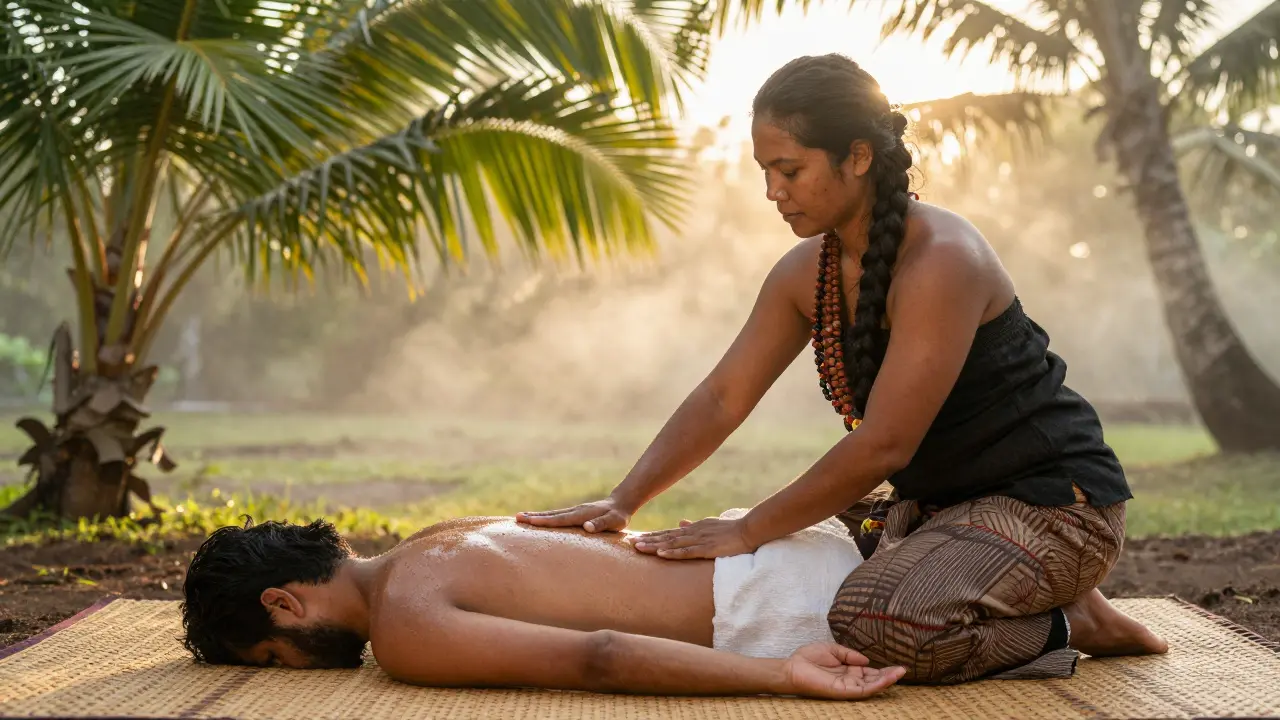
One common technique is lomilomi, a form of massage that’s unlike any other. It’s not just about muscles. Lomilomi uses long, flowing strokes, sometimes with forearms or elbows, and is often done with coconut oil and intention. The practitioner doesn’t just touch the body-they move with the person’s energy field. Many who’ve experienced it describe it as being "held" by something deeper than touch.
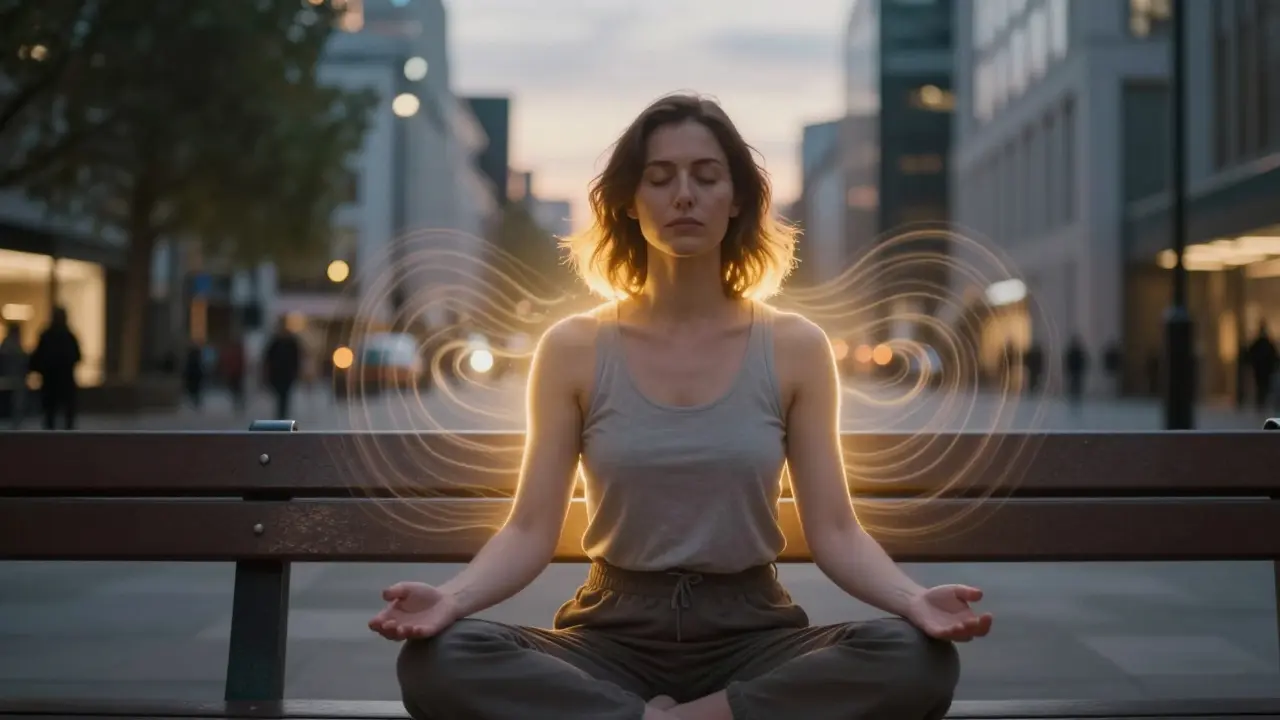
Another key element is breath. In Hawaiian tradition, the word ha means both breath and spirit. The kahuna teaches students to breathe deeply-not just to oxygenate the body, but to connect with the present moment. This isn’t just meditation. It’s a way of rewiring how the nervous system responds to stress.
And then there’s intention. A kahuna doesn’t "fix" you. They create space for your own body to heal. This is why so many modern wellness practices-like Reiki, acupuncture, and sound therapy-echo kahuna principles. They all operate on the same core idea: healing happens when energy is allowed to flow freely.
Modern Science Is Catching Up
In 2022, researchers at the University of Hawaii conducted a small but telling study on 47 people who received regular lomilomi sessions over six weeks. Participants reported a 34% reduction in self-reported stress levels and a measurable drop in cortisol (the stress hormone). Brain scans showed increased activity in areas linked to emotional regulation.
Another study from 2024, published in the Journal of Energy Medicine, looked at 120 patients with chronic pain. Those who received kahuna-style energy healing alongside physical therapy showed 40% greater improvement in mobility than those who only did physical therapy. The control group didn’t get any energy work-just massage and stretches.
These aren’t fluke results. They point to something real: when you combine physical touch with intentional presence, the body responds differently. It’s not magic. It’s neuroscience. And the kahuna have been doing it for generations.
Why Kahuna Healing Feels So Different Today
Think about how most healthcare works now. You go in, you describe a symptom, you get a diagnosis, you get a prescription. There’s rarely time to talk about how you’re feeling emotionally. Rarely space to breathe.
Kahuna healing flips that. It says: Your body is speaking. Listen. What’s it trying to tell you? Is it fatigue from overwork? Pain from grief you never processed? A tight shoulder from carrying someone else’s burden?
That’s why so many people in cities like London, Berlin, and even here in Nottingham are seeking out kahuna-inspired practices. Not because they’re looking for a cure, but because they’re tired of being treated like broken machines.
One woman I spoke to-Mira, a teacher from Leicester-said after her first lomilomi session: "I didn’t realize I was holding my breath until someone else breathed for me." That’s the power of this work. It doesn’t fix you. It reminds you how to be whole again.
What Kahuna Healing Is Not
It’s not a quick fix. You can’t do one session and expect your anxiety to vanish. It’s not a replacement for medical care. If you have diabetes, heart disease, or a tumor-you still need doctors and science.
Kahuna healing is a companion. A gentle, deep, soul-level support system. It works best when you’re already taking care of your body with food, sleep, and movement. It’s the missing piece for people who’ve done everything right but still feel off.
And it’s not about mysticism. You don’t need to believe in spirits or chants. You just need to be open to presence. To stillness. To the quiet space between thoughts where healing happens.
Bringing Kahuna Wisdom Into Daily Life
You don’t need to fly to Hawaii to practice kahuna healing. The core principles are simple-and they’re yours to use right now:
- Breathe like a kahuna: Pause three times a day. Inhale for four counts. Hold for two. Exhale for six. Do this for a minute. Notice how your shoulders drop.
- Practice ho’oponopono: At night, silently say: "I’m sorry. Please forgive me. Thank you. I love you." Not to anyone specific. Just to the energy you carry. It clears emotional residue.
- Move with flow: Try walking without a goal. Let your arms swing. Notice the air on your skin. No headphones. No playlist. Just you and the moment.
- Use touch with intention: When you hug someone, pause for two extra seconds. Feel their warmth. Don’t rush. That’s lomilomi in everyday life.
These aren’t rituals. They’re tiny acts of reconnection. And over time, they rebuild something we’ve lost: the sense that we’re not just bodies with problems-but living, breathing, feeling beings.
The Future of Healing Is Ancient
The world is waking up to the fact that modern medicine alone can’t heal the epidemic of loneliness, burnout, and disconnection. We’re looking for something deeper. Something that doesn’t just treat symptoms but restores meaning.
The kahuna tradition doesn’t offer answers. It offers presence. It doesn’t promise miracles. It offers space-for grief, for joy, for silence, for release.
Maybe that’s why it’s growing now. Not because it’s trendy. But because it’s true.
Is kahuna healing religious?
No, kahuna healing is not religious. While it comes from Hawaiian spiritual traditions, it doesn’t require belief in gods or deities. Many practitioners today focus on energy, breath, and intention-concepts that align with modern psychology and neuroscience. You can practice it whether you’re spiritual, atheist, or somewhere in between.
Can I learn kahuna healing on my own?
Yes, you can learn the basics-like breathwork, ho’oponopono, and mindful touch-on your own. Many books and online courses teach these practices. But deep kahuna healing, especially lomilomi and energy work, traditionally requires years of apprenticeship under a trained practitioner. For personal use, self-practice is powerful. For helping others, seek guided training.
Is lomilomi the same as regular massage?
No. While lomilomi uses massage techniques, it’s not about muscle manipulation. It’s about energy flow. Practitioners move with rhythm and intention, often using their forearms and working with the body’s natural curves. The oil, the breath, and the silence are just as important as the touch. Many say it feels like being gently held by the ocean.
Do I need to believe in energy for kahuna healing to work?
No. You don’t need to believe in energy fields or spiritual forces. Many people experience deep relaxation, reduced stress, and emotional release simply by being present during a session. Science shows that focused attention, touch, and rhythm can calm the nervous system-even without belief. The effect is real, regardless of your worldview.
How often should I do kahuna healing?
There’s no set rule. Some people benefit from one session a month. Others come weekly during stressful times. If you’re using self-practices like breathwork or ho’oponopono, doing them daily-even for just five minutes-can create lasting change. Think of it like brushing your teeth: small, consistent actions build resilience over time.
If you’ve ever felt like something’s missing-even when everything looks fine on the outside-kahuna healing might not be the answer you’re looking for. But it could be the space you’ve been waiting for.