
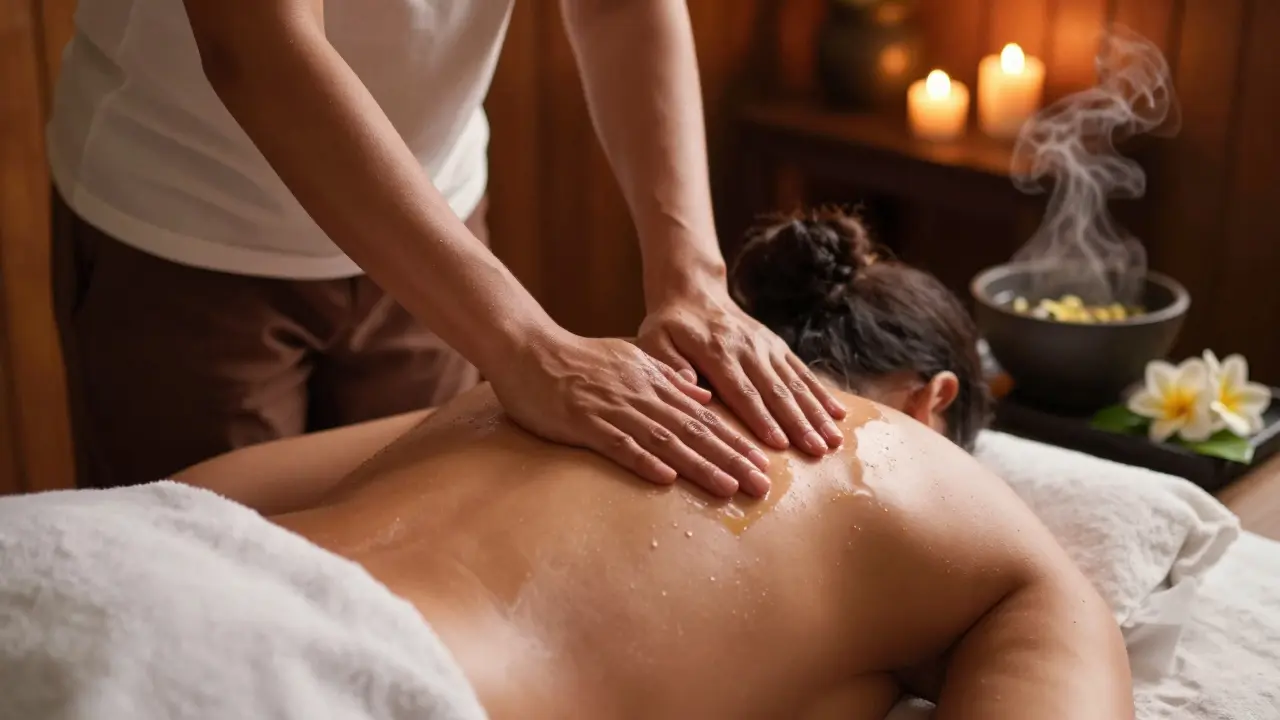
When you think of detox, you probably imagine juice cleanses, saunas, or fancy supplements. But what if your skin, muscles, and nervous system could help your body flush out toxins - naturally - just by being touched the right way? That’s the quiet power behind Balinese massage.
What Is Balinese Massage?
Balinese massage isn’t just another spa treatment. It’s a full-body therapy rooted in centuries-old Balinese healing traditions. Developed on the island of Bali, Indonesia, it blends elements from traditional Indonesian, Chinese, and Ayurvedic practices. Unlike Swedish massage, which focuses on relaxation, or deep tissue, which targets pain, Balinese massage works on multiple levels: muscles, energy pathways, circulation, and even emotional tension.
Practitioners use a mix of long flowing strokes, deep pressure, acupressure, and gentle joint mobilization. Essential oils - often made from local ingredients like frangipani, turmeric, ginger, and lemongrass - are massaged into the skin. These aren’t just for scent. They’re chosen for their therapeutic properties, including anti-inflammatory, antimicrobial, and circulatory-stimulating effects.
How Detoxification Actually Works in the Body
Before we dive into how massage helps, let’s clear up a common myth: your liver and kidneys are the main detox organs. They filter blood, break down toxins, and remove waste through urine and bile. But there’s another system often overlooked - the lymphatic system.
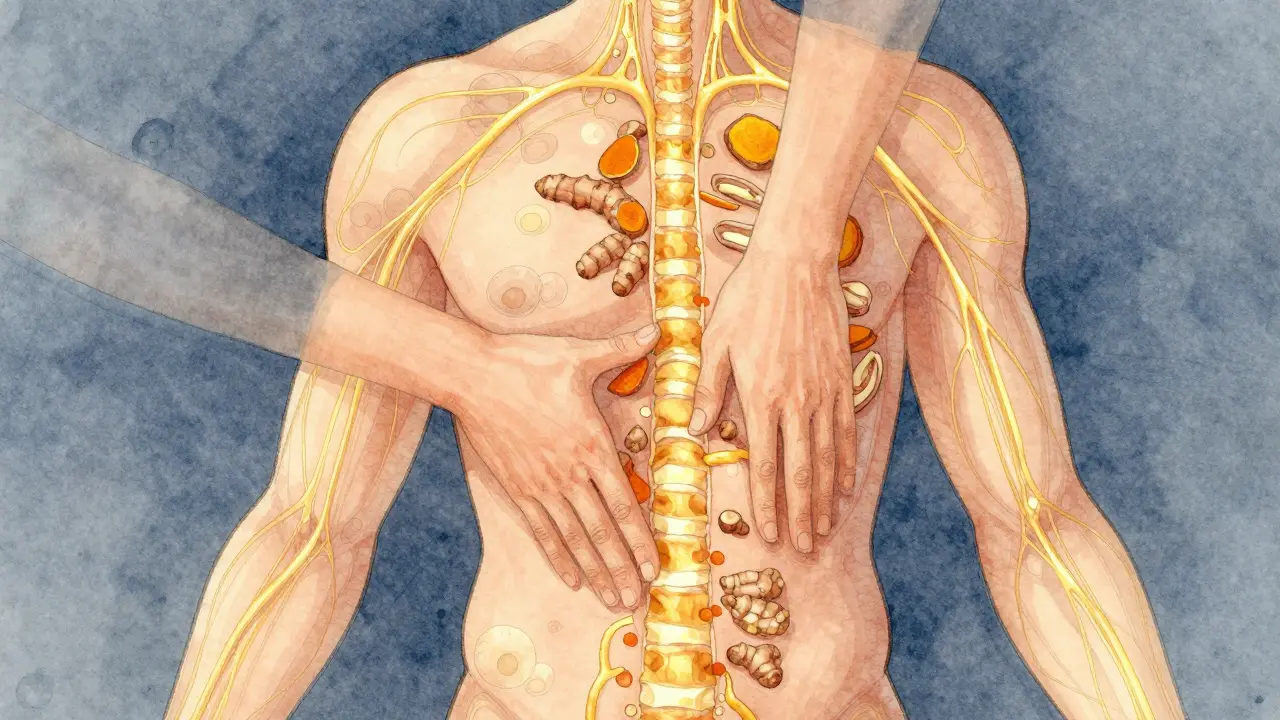
The lymphatic system is a network of vessels and nodes that move fluid, waste, and immune cells around your body. Unlike blood, which is pumped by your heart, lymph fluid moves slowly and depends on muscle movement and pressure to flow. If it gets sluggish, toxins can build up, leading to bloating, fatigue, dull skin, and even frequent colds.
That’s where touch becomes a tool. Deep, rhythmic massage helps push lymph fluid through its channels. Studies from the Journal of Alternative and Complementary Medicine found that regular massage increased lymphatic flow by up to 20% in just one session. Balinese massage, with its combination of pressure and movement, is especially effective at stimulating this process.
The Role of Essential Oils in Detox
What makes Balinese massage different from other types isn’t just the technique - it’s the oils. Traditional Balinese therapists use blends of coconut oil infused with native plants. Each one plays a role:
- Turmeric - contains curcumin, a powerful anti-inflammatory that supports liver function.
- Ginger - warms the body, boosts circulation, and helps break down fat-soluble toxins.
- Lemongrass - has natural diuretic properties, helping kidneys flush out excess fluids and sodium.
- Frangipani - calms the nervous system, reducing stress hormones like cortisol that can interfere with detox.
When these oils are absorbed through the skin during massage, they don’t just sit there. They enter the bloodstream and work from within. A 2023 study in Bali tracked participants who received weekly Balinese massages over six weeks. Those using traditional oil blends showed a 30% increase in urinary excretion of heavy metals like lead and cadmium compared to the control group.
Stress and Toxins: The Hidden Link
You can’t talk about detox without talking about stress. Chronic stress floods your body with cortisol, which slows digestion, reduces liver efficiency, and causes fat storage - especially around the abdomen. This isn’t just about weight. It’s about how your body stores toxins.
Balinese massage doesn’t just move fluid. It resets your nervous system. The rhythmic pressure, combined with calming scents and focused breathing techniques used by therapists, activates the parasympathetic nervous system. That’s the part of your body that says, “It’s safe to heal.”
One client from Sydney, who’d been dealing with chronic fatigue after years of high-stress work, started weekly Balinese sessions. Within four weeks, she reported better sleep, less bloating, and clearer skin. She didn’t change her diet. She didn’t take supplements. She just let her body relax - and her body responded by releasing what it didn’t need.
What Happens During a Session?
A typical Balinese massage lasts 60 to 90 minutes. You lie on a low table, usually covered with a warm towel. The therapist begins with long, sweeping strokes to warm the muscles. Then they move into deeper work - kneading the shoulders, working along the spine, pressing on key points around the hips and feet.
There’s often a moment where the therapist uses their palms or elbows to apply steady pressure to the lower back or abdomen. This isn’t random. It targets the lymph nodes and digestive organs. You might feel a slight ache, but it should never be painful. If it is, speak up. Good therapists adjust on the spot.
Many sessions end with gentle stretching and a short head or foot massage. This isn’t just for relaxation. It helps close the loop - releasing tension in areas where energy tends to get stuck.
Who Benefits Most?
Balinese massage isn’t a cure-all, but it’s especially helpful for people who:
- Feel constantly tired, even after sleeping
- Struggle with bloating or slow digestion
- Have dull, congested skin
- Live in polluted cities or work around chemicals
- Are recovering from illness or surgery
It’s also great for athletes. The deep pressure helps flush lactic acid from muscles, and the oils reduce inflammation. One surf coach from Queensland started bringing his students in for monthly sessions. Within a month, their recovery time dropped by nearly 40%.

What to Expect After a Session
You won’t feel like you’ve been “detoxed” in a dramatic way. No sudden energy spikes or urgent bathroom trips. But over the next 24 to 48 hours, you might notice:
- Lighter, clearer skin
- Better digestion
- Deeper sleep
- Less brain fog
- A sense of calm that lasts
Some people feel a little tired afterward - not because they’re sick, but because their body is working hard to process what was released. Drink plenty of water. Avoid alcohol or heavy meals. Let your body rest.
How Often Should You Get It?
If you’re new to this, start with once a month. If you’re dealing with ongoing stress, pollution exposure, or sluggish detox symptoms, once every two weeks works well. For maintenance, every four to six weeks keeps things flowing.
Consistency matters more than intensity. One deep session won’t undo years of toxins. But regular sessions? They build up. Like brushing your teeth, it’s the daily habit that prevents buildup.
Myths vs. Reality
Myth: Balinese massage flushes toxins out of your organs.
Reality: It supports your body’s natural systems - lymph, liver, kidneys - so they can do their job better.
Myth: You need special oils or rituals to detox.
Reality: The oils help, but the real power is in the pressure, rhythm, and relaxation. Even a simple Swedish massage with good technique can help.
Myth: It’s only for people who believe in “energy.”
Reality: You don’t need to believe in chakras or aura to benefit. The science of circulation, lymphatic flow, and stress reduction is solid - and measurable.
Can Balinese massage replace a juice cleanse or detox supplement?
No, it doesn’t replace medical detox or dietary changes. But it complements them. Think of it as helping your body work more efficiently, not replacing its natural processes. A juice cleanse might give your gut a break, but Balinese massage helps your lymph and liver clear out what’s already there.
Is Balinese massage safe during pregnancy?
Yes - with modifications. Many therapists offer prenatal Balinese massage using lighter pressure and avoiding certain pressure points. Always inform your therapist you’re pregnant. Avoid strong essential oils like rosemary or eucalyptus during the first trimester.
Do I need to prepare before a Balinese massage?
Drink water an hour before. Avoid heavy meals or alcohol. Wear loose clothing after - your skin will be sensitive. No need to fast or do anything extreme. Just show up relaxed.
Can I do this at home?
You can mimic some benefits with self-massage using coconut oil and gentle pressure. But you can’t fully replicate the depth, rhythm, or pressure of a trained therapist. It’s like trying to do your own dental cleaning - you can help, but not replace professional care.
How do I find a real Balinese massage therapist?
Look for therapists who mention traditional Balinese techniques, use essential oils like ginger or lemongrass, and talk about lymphatic flow or energy pathways. Avoid places that just call it “relaxing massage” without specifics. Ask if they’ve trained in Bali or with Balinese masters. Reputable spas often list their therapists’ training backgrounds.
Detox doesn’t have to mean deprivation. Sometimes, it just means letting your body rest, move, and be touched with care. Balinese massage doesn’t promise miracles. But if you’ve ever felt heavy, sluggish, or stuck - it might just be the quiet reset you’ve been missing.