
Have you ever felt stuck carrying stress in your shoulders or jaw, even after a good night’s sleep? Traditional massage might offer temporary relief, but it often leaves the root cause untouched. Many people spend thousands on treatments only to find the same tightness returning weeks later. There is a method designed specifically for this deeper issue. Hellerwork is a unique system of bodywork that combines deep structural alignment with guided conversation. Also known as Hellerwork Body-Mind Integration, it treats the body as a unified system where physical posture reflects emotional states. While standard therapies focus on muscles alone, this approach targets the connective tissues that hold those patterns in place.
The modern wellness landscape in 2026 has shifted toward preventative care, making techniques like this increasingly relevant. Understanding the mechanics behind the method helps you decide if it fits your needs better than conventional options. We need to look beyond simple relaxation and explore the biological framework that keeps us rigid or free.
Origins and Philosophy of the Method
This work began with psychiatrist Joseph Heller in the early 1980s. He was exploring why patients kept returning with the same complaints despite different treatments. His research suggested that trauma and stress were stored physically within the architecture of the body. Rather than just releasing tension, he wanted to reorganize the underlying structure. This became the foundation for a comprehensive program of education and practice.
Dr. Milton Trager contributed significantly to the development of the technique. His principles of gravity and floating informed the lighter aspects of the therapy. The goal was to create a permanent shift in how a person stands and moves through space. When you understand the history, you see why the results tend to last longer than typical spa treatments. The philosophy hinges on the idea that your skeleton should hang freely from the neck down, supported by relaxed tissues rather than tight ones.
Anatomy of Change: Fascia and Structure
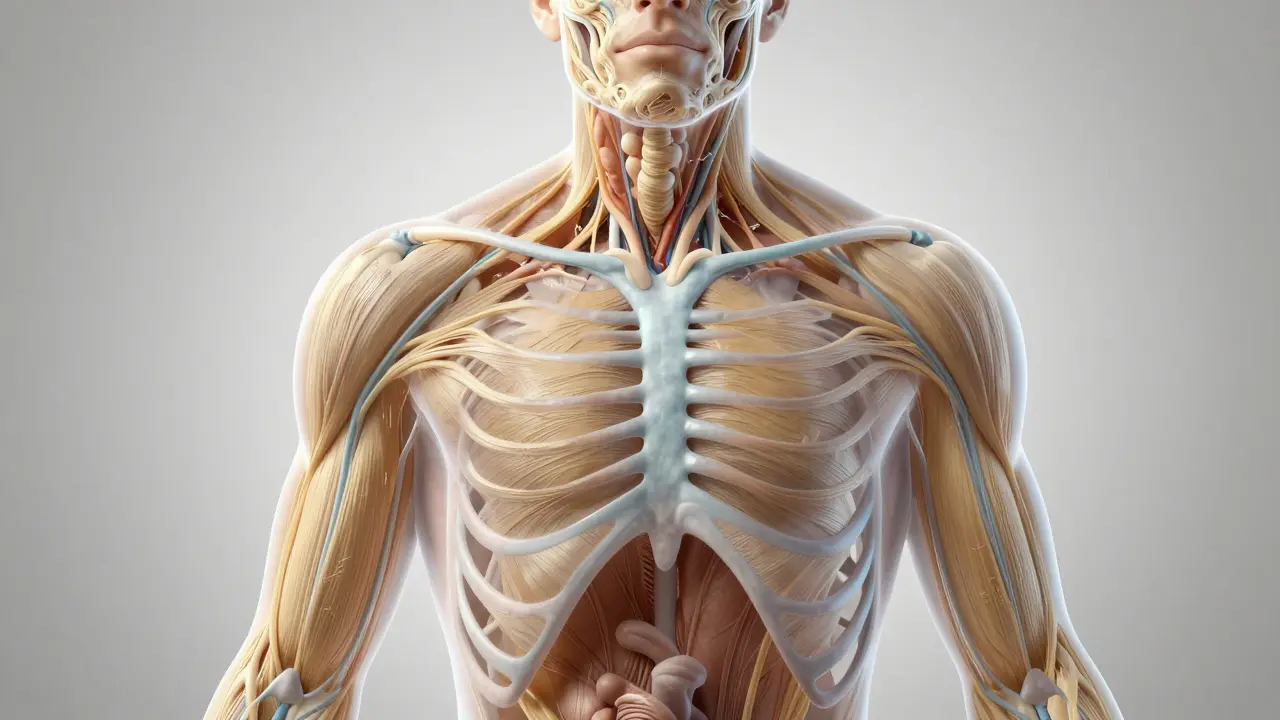
To understand the effectiveness of this modality, we must examine Fascia is the web-like connective tissue that surrounds every muscle, bone, and organ in the body. Unlike muscle, which contracts and relaxes quickly, fascia holds its shape much longer. When you experience chronic stress, these fibers thicken and stick together, creating knots that limit range of motion. A therapist applying this method works directly with this layer to dissolve adhesions.
Structural Integration is a systematic approach to restoring balance to the human structure through manipulation of soft tissue. This concept sits at the heart of the protocol. The practitioner follows a logical sequence to address different sections of the body over multiple sessions. They do not merely knead the sore spots; they realign the entire line of force running from foot to head. This ensures that when one area releases, the rest of the structure can settle into a neutral position.

What Actually Happens in a Session
Most standard appointments last an hour, but a complete course typically involves several long appointments. Each session usually runs for three hours or more, often split into three distinct parts. The first part involves a thorough assessment of posture and movement patterns. The practitioner watches how you walk and sit to identify compensations in your gait or stance. You might notice habits you have performed unconsciously for years.
The second phase is hands-on bodywork involving sustained pressure on the back, legs, and arms. It is not painful like sports massage, but it feels intense. You remain fully clothed during this process, lying on a padded table. Between movements, you talk about any sensations or emotions that arise. This dialogue allows the brain to contextualize the physical release. Many clients report unexpected memories surfacing when old patterns finally let go.
Clinical Benefits and Conditions Addressed
People seek this treatment for a wide variety of issues. Chronic Pain is pain that lasts longer than expected healing time, often persisting for months or years. For lower back pain or sciatica, correcting the pelvic alignment provides relief that medication often cannot reach. Headaches triggered by neck tension also respond well because the upper cervical spine is addressed systematically.
- Posture Correction: Reduces slouching and shoulder rounding common in office workers.
- Mobility Improvement: Increases flexibility and joint range of motion naturally.
- Stress Reduction: Lowers cortisol levels by releasing trapped physiological armor.
- Breathing Capacity: Expands rib cage expansion restricted by tight intercostal muscles.
Beyond the physical metrics, many individuals describe a sense of lightness in their step. You start to realize that holding your breath or clenching your jaw is optional. The nervous system learns to stay in a state of safety instead of constant defense. This creates a baseline of energy that supports daily activities and athletic performance alike.

How It Compares to Other Therapies
It is natural to wonder how this stacks up against other familiar treatments. Deep Tissue Massage is a type of manual therapy that focuses on realigning deeper layers of muscles and connective tissue. While massage feels relaxing, it does not always include the psychological component found here. Without the talk component, the brain may revert to old tension habits once you leave the table.
| Feature | Standard Massage | Hellerwork Method | Physical Therapy |
|---|---|---|---|
| Duration per Session | 60 minutes | 3 to 6 hours | 45 minutes |
| Primary Focus | Relaxation & Muscle | Structure & Emotion | Rehabilitation & Function |
| Clothing Required | Usually Undressed | Fully Clothed | Gym Wear |
| Session Frequency | Weekly/Monthly | Structured Course | Daily/Weekly |
Physical therapy excels at fixing injuries from surgery or accidents. However, for general tension caused by lifestyle and stress, the integrated approach offers broader support. Therapists trained in this methodology view the body as an expression of the mind, whereas medical models often separate the two completely. This distinction matters if you feel your issues are psychological or existential in nature.
Finding a Qualified Practitioner
You cannot learn this skill from a basic weekend workshop. It requires rigorous training. Instructors teach students over a period of years, covering anatomy, physiology, and psychology. Certified therapists pass strict exams before they are allowed to practice independently. You should ask potential providers about their certification status and years of experience.
Look for professionals who emphasize the educational aspect. Part of the treatment includes teaching you about your own body so you don't return to bad habits immediately. In Portland, Oregon, several centers maintain high standards for somatic education. Checking reviews can give insight into patient satisfaction regarding long-term results. Be prepared to invest time and resources, as the full course involves multiple visits spaced out over months.
Once you find a provider, come with curiosity. The work asks you to surrender control temporarily and listen to signals from your tissues. Some days you will feel drained afterward, while others bring sudden clarity. Trusting the process is essential because the deepest changes happen internally, not just superficially. If the method aligns with your goals for wellness, the commitment pays off in sustained mobility.
Does Hellerwork hurt during the session?
You might feel discomfort when releasing deep tension, but it should not be sharp pain. Communicate clearly with the therapist to adjust pressure levels immediately.
How many sessions do I need for results?
A full series consists of twelve sessions typically spaced three weeks apart. Many clients feel significant improvements after the third or fourth visit.
Do I need to wear clothes during the appointment?
Yes, you stay fully dressed to move freely. Wear loose, comfortable clothing like t-shirts and sweatpants that allow skin contact.
Is insurance coverage available for this therapy?
Coverage varies widely depending on your plan and diagnosis. Some policies cover it under mental health benefits if referred by a physician.
Can children receive this type of bodywork?
Adolescents benefit greatly from posture correction. Most practitioners accept clients over the age of eight with parental consent present.