
Quick Wins for Elephant Wellness
- Reduces muscle stiffness in the neck and shoulder regions.
- Helps identify early signs of foot rot or abscesses through tactile feedback.
- Lowers cortisol levels, reducing stress in captive environments.
- Strengthens the emotional bond between the animal and its keeper.
Why Do Elephants Need Massage?
Elephants are the only mammals that can't jump, and they carry an immense load on four pillars. The sheer physics of their body means that gravity is their constant enemy. In the wild, they might rub against a rough acacia tree to scratch an itch, but in managed care, they often lack these natural outlets. Over time, this leads to "stiff" muscles, especially around the base of the trunk and the shoulders.
Consider the feet. An elephant's foot is a complex shock absorber, but it's prone to infections and pressure sores. A therapist or keeper using massage techniques can feel the heat in a foot before a visible swelling appears. By massaging the surrounding tissue, they increase blood flow to the area, which speeds up the healing process for micro-traumas. If a 6,000kg animal develops a chronic limp, it's not just a health issue-it's a systemic failure that can lead to arthritis in other joints as they shift their weight to compensate.
The Techniques: More Than Just Rubbing
You can't just use your thumbs on an elephant; you'd break them instantly. Instead, professionals use a variety of Animal Physiotherapy methods. The most common is "deep tissue kneading," where the keeper uses their entire forearm or a specialized tool to push into the muscle layers. They focus on the large muscle groups in the hindquarters and the thick folds of skin around the neck.
Then there is the use of Hydrotherapy. This involves using high-pressure water jets or scrubbing brushes during bathing. The water provides a rhythmic pressure that mimics the sensation of a massage while cleaning the skin. In some advanced centers, they use vibration therapy-handheld devices that send oscillations deep into the muscle, which is far more effective than manual rubbing for the thickest parts of the hide.
| Method | Primary Goal | Tools Used | Impact Level |
|---|---|---|---|
| Manual Kneading | Muscle Tension Release | Forearms, Palms | High / Deep |
| Hydrotherapy | Skin Health & Circulation | Water Hoses, Brushes | Medium / Surface |
| Vibration Therapy | Joint Stiffness | Oscillating Massagers | Very High / Penetrating |
| Passive Stretching | Range of Motion | Guided Movement | Low / Flexibility |
The Psychological Impact of Touch
Elephants are incredibly social and emotionally intelligent. For them, touch is a language. In the wild, they use their trunks to caress and reassure one another. When a keeper provides a massage, it's not just a physical treatment; it's a social interaction. This reduces the production of Cortisol, the stress hormone, and triggers the release of oxytocin.
Have you ever seen an elephant lean into a brush? That's not just about the itch. It's a sign of trust. In sanctuaries, massage is often used as a "calming trigger." If an elephant is anxious due to a storm or a new environment, a targeted massage session can lower their heart rate and bring them back to a resting state. This emotional regulation is key to preventing stereotypical behaviors, like swaying, which often occur in stressed captive animals.
Integrating Massage into a Wellness Plan
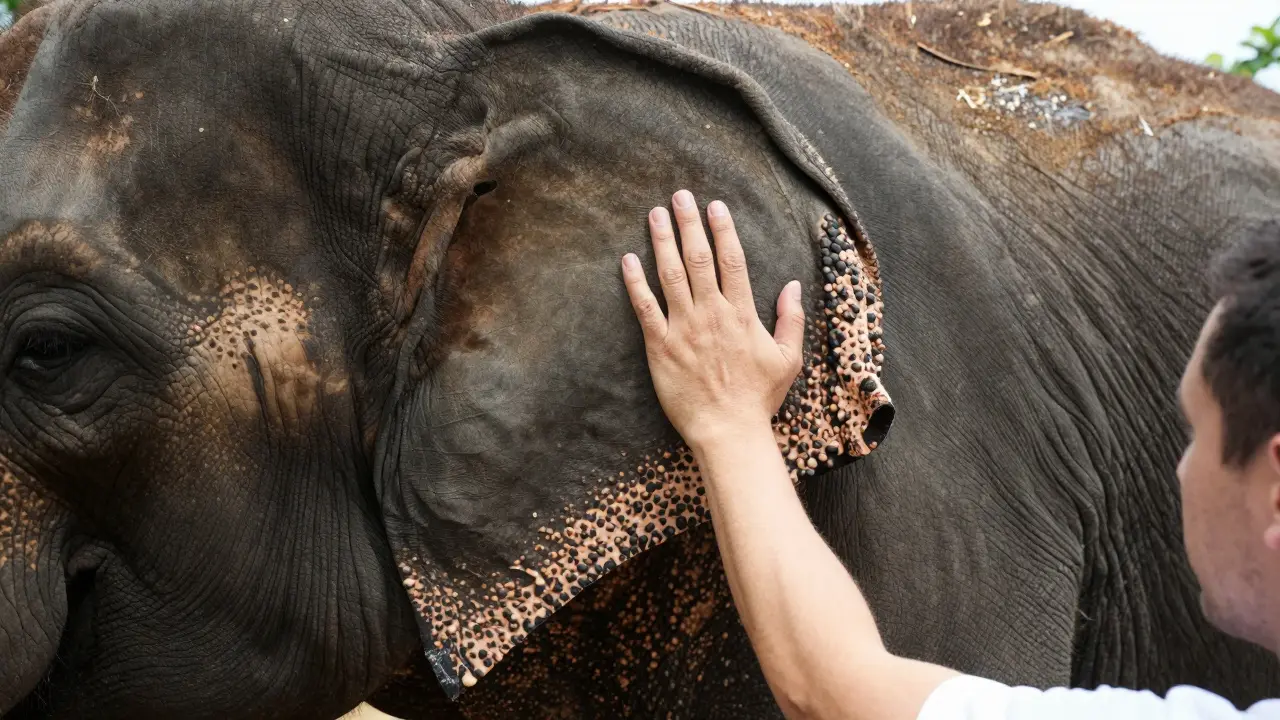
Massage isn't a standalone cure; it's part of a broader Animal Wellness strategy. A typical plan includes a diet rich in minerals to support bone density, plenty of space for movement, and regular foot trims. The massage fits in as the "maintenance" phase. For example, after a long day of trekking or training, a targeted shoulder rub prevents the buildup of lactic acid in the muscles.
Keepers also use these sessions as a diagnostic tool. While massaging, they might notice a lump or a sensitive spot that the elephant isn't showing in its behavior yet. This allows for early intervention with a veterinarian. It's similar to how a human might notice a knot in their back and realize they've been sitting poorly at a desk; the elephant's body tells a story through its tension points.
Common Pitfalls and Safety
You can't just walk up to an elephant and start rubbing. Safety is the number one priority. The animal must be in a relaxed state, and the keeper must be positioned where they can quickly exit if the elephant decides it's had enough. There's a specific "communication loop" where the keeper watches the elephant's ears and eyes for signs of irritation.
Another mistake is applying too much pressure in the wrong area. While the skin is thick, there are still sensitive nerve clusters. Pressing too hard on the trunk's tip, for instance, can cause a defensive reaction. Proper training involves learning the "anatomy of the hide," understanding where the muscle is thickest and where the skin is more pliable.
Looking Ahead: The Future of Pachyderm Care
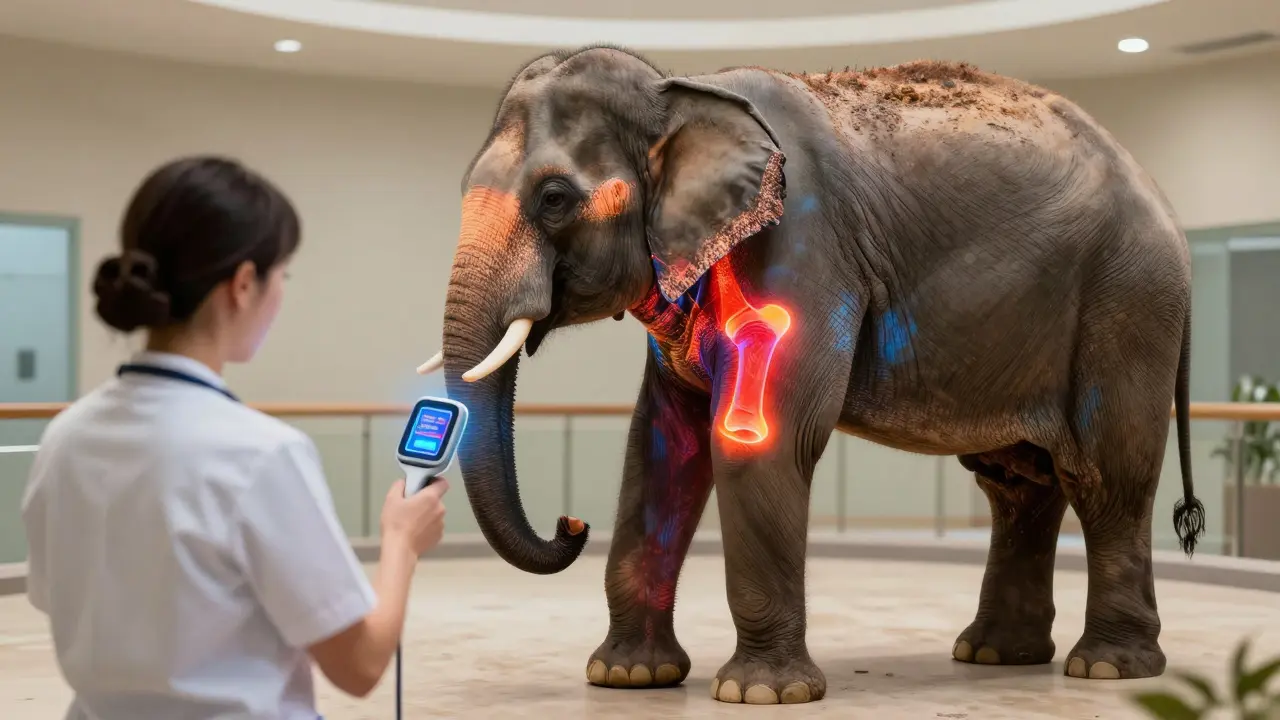
As we move toward 2026 and beyond, the integration of technology is changing how we handle giant animal care. We're seeing the introduction of Thermal Imaging to identify "hot spots" of inflammation before a massage session begins. This allows keepers to target the exact area that needs attention, making the process more efficient and less stressful for the animal.
We are also seeing more collaboration between human physical therapists and zoologists. By applying human sports medicine principles to elephants, we're discovering new ways to treat ligament injuries. The goal is to move from reactive care (fixing a problem) to proactive wellness (preventing the problem), ensuring these magnificent creatures live long, pain-free lives.
Does elephant massage actually hurt the elephant?
No, when done by trained professionals. Elephants have very thick skin and heavy musculature, so they actually require significant pressure to feel the benefit. When the pressure is correct, they typically lean into the touch and show signs of extreme relaxation.
Can any zoo animal get a massage?
Many animals benefit from tactile therapy, but it varies by species. While elephants and horses are common candidates for physiotherapy, smaller or more timid animals might find it stressful. It always depends on the species' social structure and the animal's individual personality.
What are the main signs that an elephant needs a massage?
Keepers look for "stiffness" in the way they move, such as a reluctance to lift a leg or a slight tilt in their posture. They also look for behavioral cues, such as the elephant repeatedly rubbing its neck against walls or trees.
Is oil or lotion used during elephant massage?
Usually, no. Elephant skin is designed to be porous and is often managed with water or specialized mud baths. Using oils can sometimes clog the skin or attract too many insects, so most massages are performed "dry" or during a water-based bath.
How often should an elephant have these sessions?
It varies based on the animal's age and health. Older elephants with arthritis might receive targeted therapy daily, while younger, healthier elephants might have full-body wellness sessions once or twice a week as part of their routine care.
Next Steps for Animal Enthusiasts
If you're interested in the intersection of animal health and bodywork, look into certifications for animal physiotherapy. Many veterinary technicians now specialize in these modalities. For those visiting sanctuaries, ask the guides about the "wellness routines" of the animals-you'll find that the most successful sanctuaries are the ones that treat the animal's physical and emotional health as one and the same.