
Most people think of Kahuna as just a Hawaiian word for priest or healer. But if you dig deeper, you’ll find that Kahuna isn’t a title-it’s a system. A living, breathing way of interacting with energy, nature, and the unseen forces that shape health, luck, and even relationships. And these aren’t just old stories told around campfires. Real people in Hawaii still practice these methods today, quietly, without fanfare, and with remarkable results.
What Exactly Is a Kahuna?
A Kahuna is not someone you find on a beach with a lei and a drum. In traditional Hawaiian culture, there were different types of Kahuna, each with a specific role. Kahuna is a Hawaiian term for a master practitioner in a specialized field. These specialists were trained from childhood, often by family elders, and spent decades mastering their craft.
There were Kahuna Lapa’au-healers who used plants, massage, and energy work. Kahuna Kalai Wa’a-boat builders who understood wind, currents, and wood like no one else. Kahuna Makawalu-priests who worked with spiritual forces. Each one was deeply respected, not because of ceremony, but because they delivered results. A Kahuna Lapa’au could treat a deep joint injury with nothing but taro leaves, breathwork, and focused intention. No needles. No pills. Just knowledge passed down through generations.
The Hidden Healing System: Lomilomi and Beyond
Many people know lomilomi as Hawaiian massage. But that’s like calling yoga just stretching. Lomilomi is part of a much larger system called Ha is a Hawaiian concept of breath and life force. The word Ha means breath, and in Kahuna practice, breath isn’t just oxygen-it’s the carrier of energy, intention, and spirit.
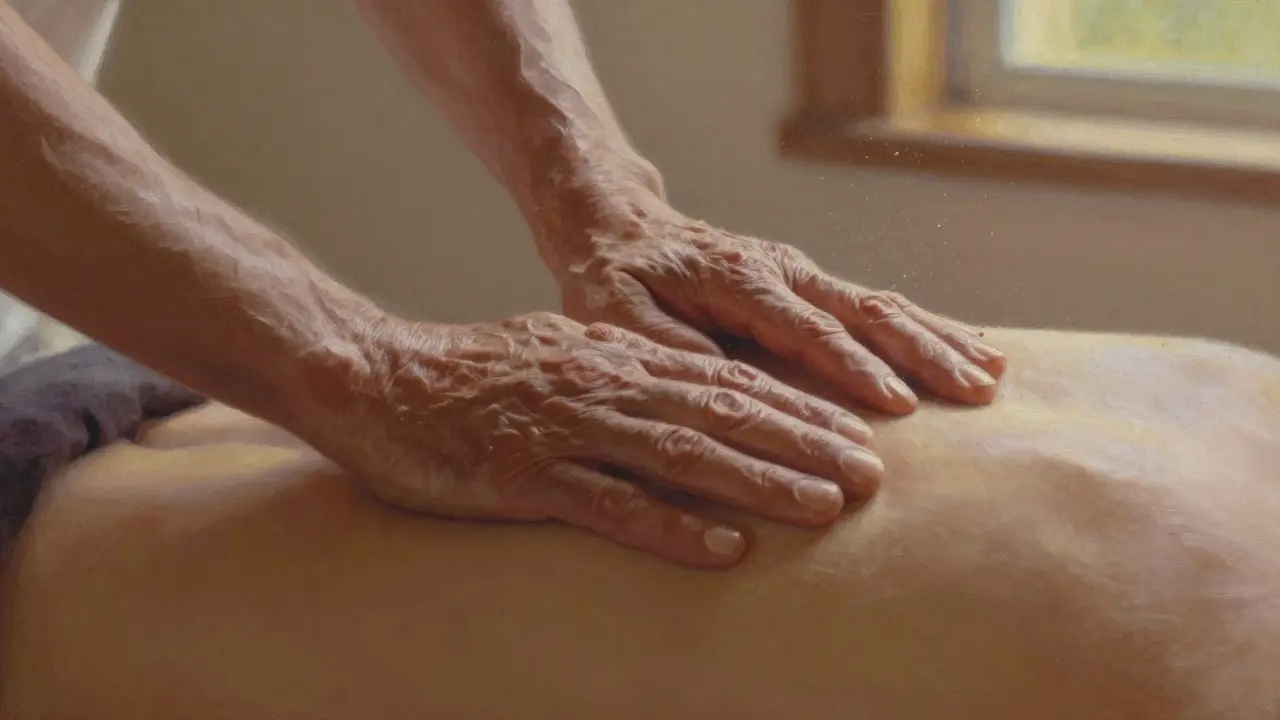
When a Kahuna performs lomilomi, they don’t just rub muscles. They move Ha. They clear blockages in the body’s energy pathways, which Hawaiians call mana is a spiritual energy or power in Hawaiian culture.. The hands glide like water, but the real work happens in the mind of the practitioner. They visualize healing energy flowing from their breath into the client’s body. This isn’t metaphor. It’s a technique backed by centuries of observation.
Modern studies on lomilomi show measurable drops in cortisol levels and increased parasympathetic nervous system activity-meaning deep relaxation. But what the science doesn’t capture is the emotional release. Many people report crying during or after a session, not from pain, but from a sudden sense of release-like a weight they didn’t know they were carrying.
The Three Levels of Kahuna Healing
Traditional Kahuna healing works on three levels, and you can’t fix one without addressing the others.
- Physical-the body itself: injuries, digestion, pain. This is what most people notice first.
- Emotional-unspoken grief, buried anger, unresolved trauma. Kahuna believe emotions live in the body, not just the mind.
- Spiritual-connection to ancestors, land, and unseen forces. This is where the real transformation happens.
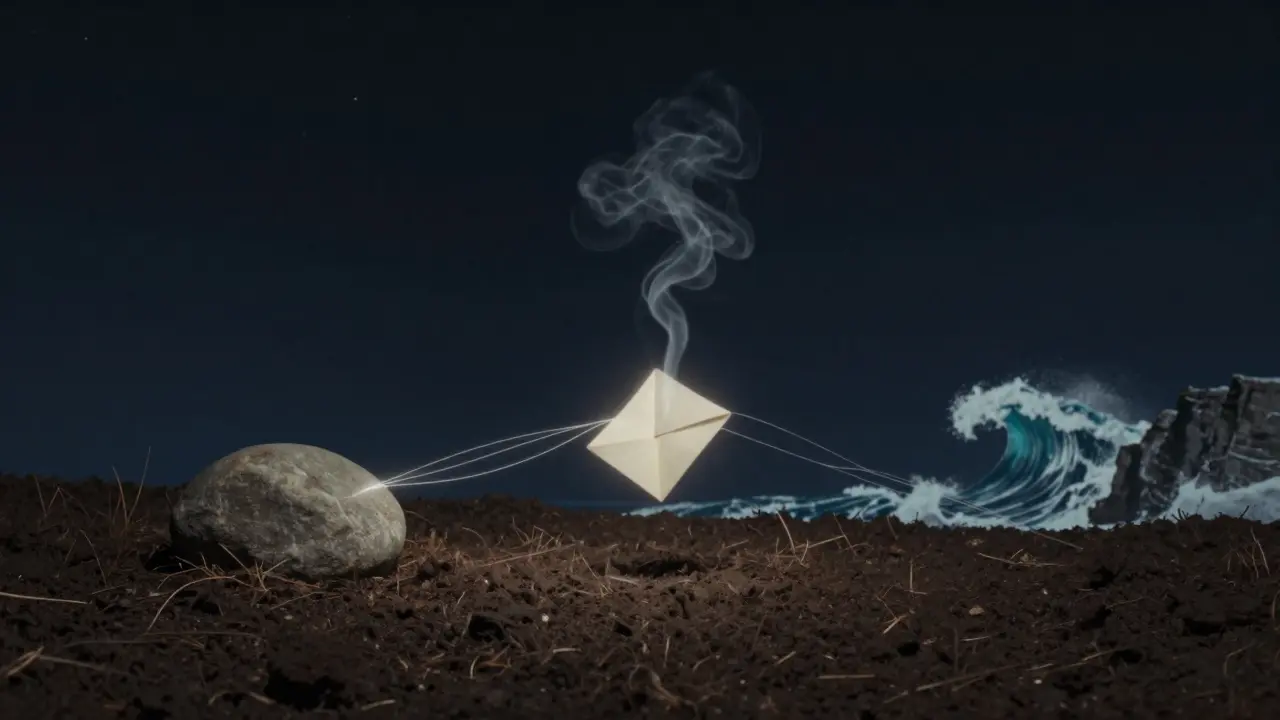
For example, a person with chronic back pain might get lomilomi and feel better for a week. But if they’re still holding onto resentment toward a parent, the pain returns. The Kahuna doesn’t just treat the spine-they ask questions like: Who are you angry with? What are you refusing to let go of? Then they use chants, breathwork, and sometimes even symbolic rituals-like burying a stone that represents the burden-to help the person release it.
Mana and the Power of Intention
Mana isn’t magic. It’s focus. It’s energy shaped by belief and repetition. A Kahuna doesn’t chant to summon spirits-they chant to align their own mind with the natural rhythm of the earth. The sound of the chant, the rhythm of the breath, the movement of the hands-all of it creates a field of coherence in the body.
Think of it like tuning a radio. If your thoughts are static, the signal is weak. But if you quiet the noise, you pick up a clear station. Kahuna training teaches you how to become that clear station. One elder I spoke with in Kona told me, “Your mind is the antenna. If it’s cluttered, nothing comes through. If it’s still, everything does.”
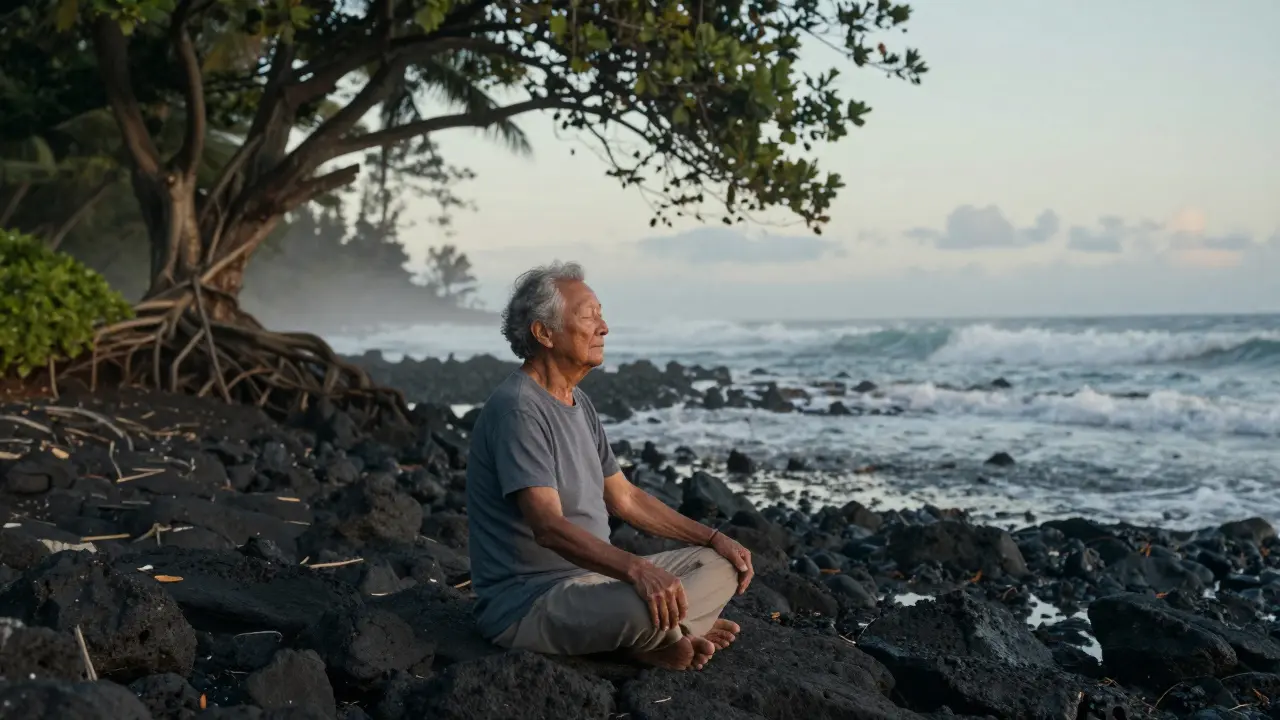
This is why many Kahuna practices involve silence. No talking. No distractions. Just sitting under a banyan tree, feeling the wind, listening to the waves. In that stillness, the body begins to heal itself-not because of a spell, but because it’s finally allowed to.
Modern Misunderstandings
Today, you’ll see “Kahuna” on yoga retreats, spa packages, and even TikTok videos. But most of it is borrowed, stripped of context, and sold as a trend. Authentic Kahuna work isn’t about exoticism. It’s about responsibility.
Real Kahuna don’t charge $200 for a 30-minute session. They don’t sell crystals or essential oils. They don’t promise miracles. They show up. They listen. They work slowly, sometimes over months, because healing isn’t a product-it’s a process.
One woman I met in Maui had been told by doctors she’d never walk without pain again after a car accident. She found a Kahuna Lapa’au who didn’t use herbs or oils. He sat with her every morning for six weeks. He asked her to describe the pain. Not just where it was, but what it felt like-was it sharp? heavy? cold? Then he asked her to remember the last time she felt truly safe. She cried. He didn’t touch her. He just held space. After six weeks, she walked without pain. No surgery. No medication. Just presence.
How to Begin Your Own Kahuna Journey
You don’t need to fly to Hawaii. You don’t need a teacher. You need curiosity and patience. Here’s where to start:
- Practice Ha breathing-inhale for four counts, hold for two, exhale for six. Do this for five minutes every morning. Notice how your body feels before and after.
- Write down three things you’re holding onto-a grudge, a fear, a regret. Don’t judge them. Just name them. Then, burn the paper or bury it in the soil. Symbolic release works.
- Connect with nature daily-walk barefoot on grass, sit by water, listen to birds. Nature doesn’t lie. It’s the original healer.
- Ask yourself: What am I avoiding? Often, the body holds what the mind refuses to face.
These aren’t rituals. They’re tools. Tools that have been used for centuries by people who knew that healing isn’t about fixing-it’s about returning to balance.
Why Kahuna Still Matters Today
We live in a world that treats symptoms like bugs to be eradicated. But Kahuna teaches something radical: pain is information. Stress isn’t a flaw-it’s a signal. Illness isn’t random-it’s often a reflection of what’s out of alignment.
The hidden secret of Kahuna isn’t chants or herbs. It’s this: you already have everything you need to heal. You don’t need a guru. You don’t need expensive treatments. You just need to stop running from yourself.
That’s the real magic.