
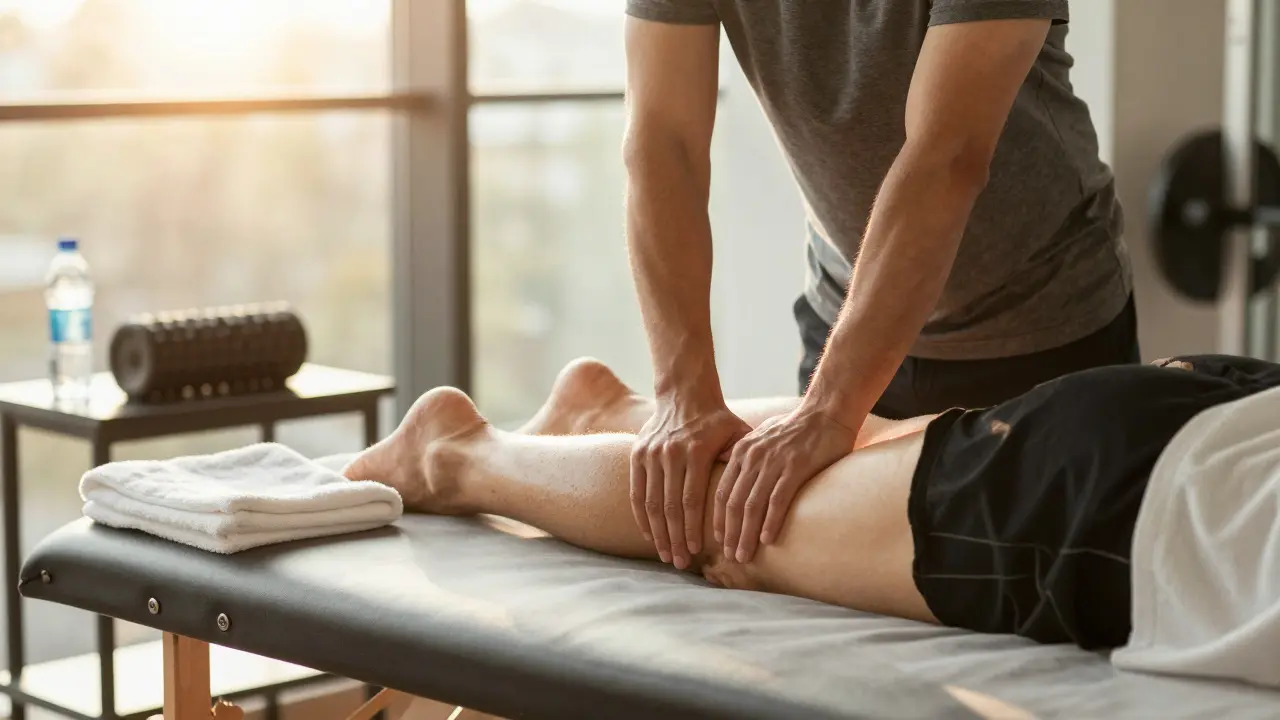
Ever pushed yourself too hard during a workout and felt like your body was made of concrete the next day? You’re not alone. Athletes, weekend warriors, and even people who just walk their dogs every day know that feeling - tight hamstrings, sore shoulders, that dull ache that won’t quit. What if there was a way to speed up recovery, reduce pain, and keep your body moving without relying on pills or long rest periods? That’s where sports massage comes in.
What Exactly Is Sports Massage?
Sports massage isn’t just a deep tissue massage for athletes. It’s a targeted form of manual therapy designed to improve muscle function, prevent injury, and speed up recovery after physical stress. Unlike Swedish massage, which focuses on relaxation, sports massage uses specific techniques like deep stroking, friction, and trigger point release to work on muscles that are overused, strained, or tight.
It’s not just for professional runners or weightlifters. Anyone who moves their body hard - whether it’s cycling, hiking, dancing, or even gardening - can benefit. The goal? Keep muscles flexible, reduce inflammation, and improve blood flow so your body repairs itself faster.
How It Works: Science Behind the Pressure
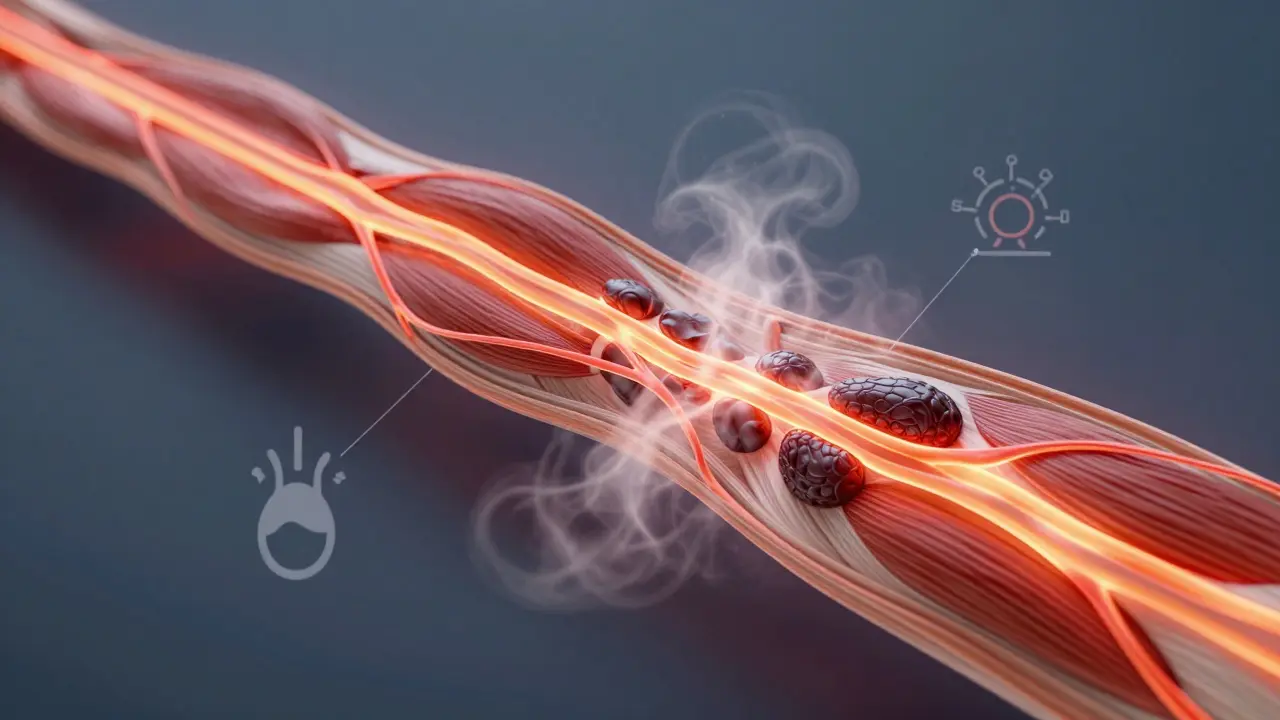
When you train, your muscles develop tiny tears. That’s normal. But if those tears don’t heal properly, they turn into knots, scar tissue, or chronic tightness. That’s when pain and reduced performance show up.
Sports massage helps by:
- Breaking down adhesions - those sticky spots between muscle fibers that limit movement
- Increasing circulation - bringing oxygen and nutrients to tired muscles
- Reducing lactic acid buildup - the compound that contributes to post-workout soreness
- Stimulating the parasympathetic nervous system - helping your body shift from "fight or flight" to "rest and repair" mode
A 2023 study in the Journal of Athletic Training found that athletes who received sports massage within 30 minutes after intense training reported 30% less muscle soreness 48 hours later compared to those who didn’t. The same group also showed improved range of motion in their hips and shoulders.
When to Get a Sports Massage
Timing matters. You don’t need to wait until you’re in pain.
- Before training: A light 15-20 minute session can warm up muscles, increase flexibility, and mentally prepare you for the workout. Think of it as a dynamic stretch you can’t do alone.
- After training: This is when it really shines. Within 1-2 hours after a hard session, a massage helps flush out metabolic waste and reduces swelling.
- During training cycles: If you’re training for a race or competition, weekly sessions help maintain muscle balance and prevent overuse injuries.
- Between injuries: Even if you’re not hurt, regular massage can catch tight spots before they turn into strains or tendonitis.
Many runners in Halifax start getting sports massages every two weeks during marathon season. They don’t wait until they’re limping - they treat it like brushing your teeth. Prevention beats repair every time.
Common Conditions It Helps
Sports massage isn’t magic, but it’s effective for several common issues:
- Iliotibial band syndrome (ITBS): Tightness along the outside of the thigh - common in runners and cyclists. Massage targets the tensor fasciae latae and glutes to relieve tension.
- Shin splints: Often caused by overworked calves and tibialis anterior. Massage helps release those muscles and improves blood flow to the shins.
- Rotator cuff strain: A frequent problem for swimmers, tennis players, and even people who carry heavy bags. Massage reduces inflammation and restores shoulder mobility.
- Delayed onset muscle soreness (DOMS): That 24-72 hour ache after a new workout? Massage cuts it by nearly half in many cases.
- Chronic tightness: If your neck always feels stiff or your quads never loosen up, regular massage can retrain your muscles to relax.
What to Expect During a Session
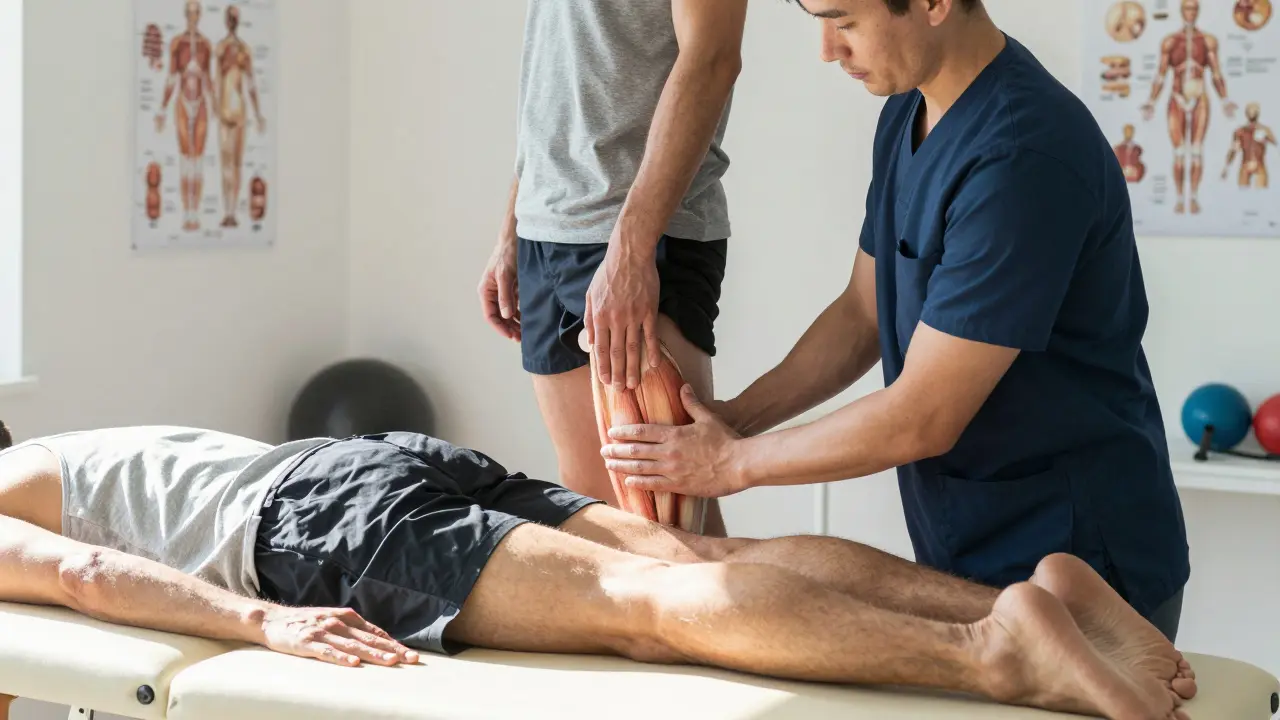
You don’t need to be naked or embarrassed. Most people wear shorts and a tank top. The therapist will ask about your training habits, areas of pain, and goals.
A typical session lasts 45 to 75 minutes. It starts with light strokes to warm up the tissue, then moves into deeper pressure. You might feel some discomfort - but not sharp pain. Good massage feels like a "good hurt." If it hurts too much, speak up.
Therapists often use their thumbs, knuckles, elbows, or forearms. You’ll hear the sound of skin sliding over muscle - that’s the friction technique breaking up adhesions. Afterward, you might feel a bit tired or sore for a few hours, but that’s your body adjusting. Most people feel looser and lighter the next day.
Who Should Avoid It
Sports massage is safe for most people, but not everyone. Avoid it if you have:
- An acute injury (like a recent sprain or tear) - wait at least 48-72 hours
- Open wounds, burns, or skin infections
- Blood clots or deep vein thrombosis
- Severe osteoporosis
- Recent surgery in the area being massaged
If you’re unsure, check with your doctor or physiotherapist. A good massage therapist will ask about your medical history before starting.
How Often Should You Get One?
There’s no one-size-fits-all answer. Here’s a simple guide:
- Recreational athletes: Once a month to maintain mobility and prevent tightness
- Regular gym-goers: Every 2-3 weeks, especially after heavy lifting or HIIT sessions
- Competitive athletes: Weekly during training, biweekly during off-season
- Recovering from injury: 2-3 times a week initially, then taper off as healing progresses
Think of it like tuning a car. You don’t wait until the engine fails to change the oil. Same with your body.
DIY vs. Professional
Rollers, foam balls, and vibrating massagers are great tools - but they can’t replace a trained therapist. Why?
- They can’t assess your unique muscle imbalances
- They can’t apply precise pressure to deep layers
- They can’t adjust technique based on real-time feedback
Yes, you can use a foam roller on your quads after a run. But if your hip flexors are pulling your pelvis out of alignment, a roller won’t fix that. A therapist can find the root cause and treat it.
Think of DIY tools as maintenance. Professional sports massage is repair and optimization.
Real Results: A Runner’s Story
Lisa, a 42-year-old teacher from Dartmouth, started running marathons three years ago. After her first race, she couldn’t walk down stairs for a week. She tried ice baths, stretching, even acupuncture - nothing stuck.
She tried sports massage on a whim. After three sessions, her calf tightness disappeared. After six, her knee pain vanished. She’s now run three more marathons without injury. "It’s not a luxury," she says. "It’s part of my training plan, like my running shoes."
How to Find a Good Therapist
Not all massage therapists are trained in sports massage. Look for:
- Certification in sports massage (not just general massage therapy)
- Experience working with athletes or active clients
- Knowledge of anatomy and common sports injuries
- Willingness to communicate and adjust pressure
In Halifax, clinics like Nova Scotia Sports Medicine and Active Recovery Centre have therapists who specialize in this. Ask if they’ve worked with runners, cyclists, or triathletes - if they nod, you’re on the right track.
Why This Isn’t Just Another Spa Treatment
Sports massage isn’t about luxury. It’s about performance, resilience, and longevity. It’s the difference between quitting because your body hurts and pushing through because your body feels strong.
It’s not a quick fix. But if you treat it like part of your routine - not a reward for being good - you’ll notice your workouts get easier, your recovery gets faster, and your injuries become rare.
Your body works hard for you. Give it the care it deserves - not just when it breaks, but before it ever gets the chance to.
Is sports massage painful?
It shouldn’t be unbearable. You might feel deep pressure, especially on tight spots, but it should never feel like sharp or shooting pain. A good therapist will check in with you and adjust. Think "good hurt" - the kind that makes you sigh and relax after.
Can I get a sports massage if I’m not an athlete?
Absolutely. Sports massage helps anyone who moves their body regularly - whether you’re hiking on weekends, dancing, gardening, or just sit at a desk all day. Tight shoulders, stiff hips, and lower back pain? Those are all targets for sports massage.
How long does it take to feel results?
Many people feel looser and less sore within 24 hours. For chronic tightness or recurring injuries, it usually takes 3-5 sessions to see lasting changes. Think of it like learning a new skill - consistency matters more than one big session.
Does insurance cover sports massage?
Some extended health plans in Canada cover massage therapy if it’s done by a registered therapist. Check your policy. You may need a referral from a doctor or physiotherapist. Even if it’s not covered, many people find it worth the investment - fewer doctor visits and less pain over time.
Should I drink water after a sports massage?
Yes. Massage helps release metabolic waste from muscles. Drinking water helps your kidneys flush it out faster. It also prevents post-massage headaches or fatigue. Aim for at least 500ml right after, and keep sipping through the day.